

OLED Monitor Market Grows 65%: ASUS and Samsung Dominate in 2025

ar in 2025, monitor prices have dropped significantly compared to previous years. Today, buying a gaming monitor no longer necessarily requires a minimum budget of €150 or €200, For under €100, it is now possible to find models such as the Samsung Odyssey G3, which offers a 180 Hz refresh rate, a 24-inch display, and Full HD resolution.
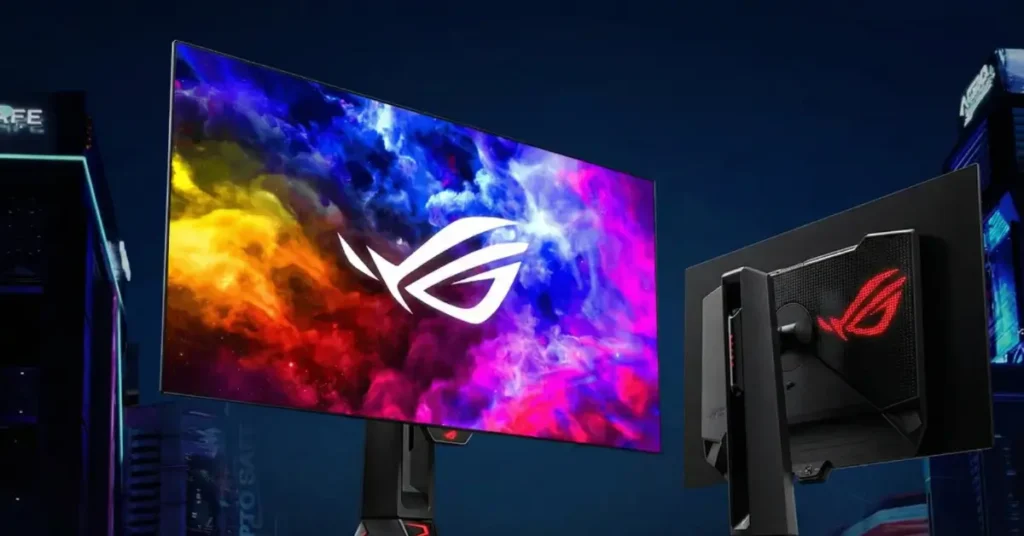
The price drop has not been limited to IPS monitors , OLED monitors have also become much more affordable. Just over a year ago, OLED models rarely fell below €1,000, whereas today they can be found for under €550, One example is the ASUS ROG Strix, featuring a 27-inch panel, a 240 Hz refresh rate, and QHD resolution.
The OLED monitor market is growing rapidly in 2025 as prices drop and more manufacturers release high-refresh displays. With new models from ASUS and Samsung becoming more affordable, OLED monitors are quickly moving from premium products to mainstream gaming displays.
Who Is the largest OLED monitor manufacturer?
On November 18, analytics firm TrendForce published a report detailing OLED monitor sales for the third quarter of 2025. According to the data, 644,000 units were sold worldwide, representing a 12% increase compared to the second quarter and a 65% year-over-year growth.
Based on TrendForce’s projections, total OLED monitor shipments in 2025 are expected to reach 2.62 million units, with data from the final quarter still pending. If confirmed, this would represent an 84% year-over-year increase.
There is little doubt that much of the surge in OLED monitor sales can be attributed to the significant price reductions seen throughout the year. If this downward trend continues, it is likely that many consumers will soon have an OLED monitor on their desks.
ASUS currently stands as the world’s largest OLED monitor manufacturer, holding a 21.9% market share. Much of this success stems from the company’s extensive OLED product lineup, which spans gaming monitors, professional displays, and creator-focused models. ASUS also uses OLED panels across a wide range of devices, from laptops to high-end professional monitors.
As expected, ASUS has celebrated its position as the global leader in OLED monitor sales, stating:
This milestone marks a significant achievement for ASUS, which has steadily expanded its OLED portfolio—including both QD-OLED and WOLED models across gaming, professional, and creator segments, this success is the result of relentless innovation, a diversified product strategy, and rigorous, consumer-focused design.
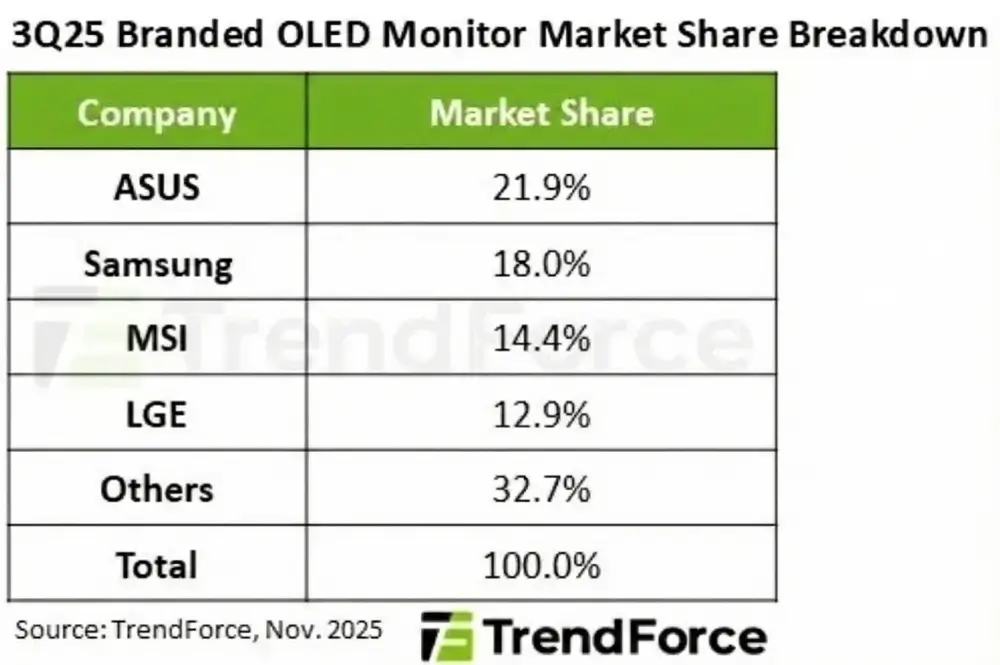
In second place is Samsung, with an 18% market share, the company has maintained stable shipment volumes throughout the first three quarters of 2025, focusing more heavily on smart TVs than on gaming monitors, this strategic shift is one of the main reasons the South Korean giant has fallen from first to second place in the rankings.
Third place goes to MSI, which trails ASUS by eight percentage points and holds a 14.4% market share, followed by LG at 12.9%. The remaining OLED monitor manufacturers collectively account for the remaining 32.7% of the market.
OLED displays are becoming increasingly popular among gamers because of their fast response times and vibrant colors. If you’re upgrading your setup, you may also want to learn how to choose a gaming laptop in 2026 for the best performance.

Sara Jakob is the Senior Gaming Software & Systems Editor at PerfCore, specializing in PC game optimization, browser performance benchmarks, and free-to-play MMO mechanics. With a background in computer science and software testing, Sara leads PerfCore’s game setting optimization guides and software utility reviews.