
Once Human Beginner Guide: 7 Essential Tips for New Players

Once Human drops you into a post-apocalyptic world with minimal hand-holding and expects you to figure out crafting, base building, combat, and resource management while hostile creatures try to kill you. The learning curve is steep and the game doesn’t explain critical systems like Deviants, territory control, or what actually happens during server wipes. Understanding whether Once Human is worth the time investment before you sink 50 hours into a character helps set proper expectations. This beginner guide covers the essential first steps, common mistakes that waste resources, and which early-game priorities actually matter for long-term progression.
I’ve restarted Once Human three times across different seasons and each time I wished someone had told me what actually matters in the first 10 hours. The game lets you waste days farming materials for a base location that becomes useless later or upgrading weapons you’ll replace immediately. These mistakes aren’t obvious until you’ve already committed the resources.
If you decide to give it a shot, you can start playing Once Human for free here and judge the experience for yourself it costs nothing to find out whether the loop clicks for you
What Once Human actually is and who it’s for
Once Human is a free-to-play survival game with looter-shooter mechanics set in a post-apocalyptic world corrupted by an entity called Stardust. You gather resources, build bases, craft weapons, capture creature companions called Deviants, and fight increasingly difficult enemies and bosses. The game supports solo play but strongly encourages multiplayer cooperation.
The target audience is players who enjoy survival crafting games like Rust or ARK but want more structured PvE content and progression systems. Once Human sits somewhere between pure survival sandboxes and looter shooters like The Division. If you hated Rust because of toxic PvP or found ARK too grindy, Once Human might appeal to you. If you want pure PvP chaos, this isn’t it.
The seasonal server wipe system means your character and base reset every few months. Some cosmetics and minor bonuses carry over but most progress gets wiped. This either appeals to you because fresh starts keep things interesting or it’s an immediate dealbreaker. Understanding this going in prevents frustration 40 hours into your first season.
The monetization is aggressive for a free-to-play game. Battle passes, cosmetics, and convenience items fill the store. You can play completely free but expect constant reminders to spend money. The game isn’t pay-to-win but it definitely wants your wallet.
Once Human beginner guide: choosing your first base location
Your first objective is reaching level 10 and unlocking your first Deviant slot. Nothing else matters as much. Deviants provide massive quality of life improvements and combat advantages. Rush main story missions until you unlock Deviant capturing because everything becomes easier afterward.
Don’t build an elaborate base in your starting area. You’ll move once you understand territory control and resource spawns. Throw down a basic workbench and storage but save materials for your permanent base location. I wasted 2000 wood and metal on a starter base I abandoned after six hours.
Focus on crafting a bow immediately. Early guns are terrible and ammo is scarce. The bow remains viable for the first 10-15 hours and ammo is free. Upgrade your melee weapon second because you’ll run out of arrows during longer fights. Armor comes third after you have reliable damage output.
Ignore side content and exploration until you’ve completed enough main missions to unlock essential crafting recipes. The game tempts you with interesting locations and optional bosses but you lack the gear to handle them efficiently. Clear story content first, unlock recipes and systems, then explore properly.
Gather everything you see but prioritize wood, stone, and fiber. These three resources form the foundation of early crafting and you’ll need thousands of each. Ore nodes and special materials can wait until you know what you’re actually building toward.
Choosing your first base location
Base location matters more than base design in Once Human. Good locations have multiple resource nodes nearby, access to water, and defensible terrain. Bad locations force you to travel 10 minutes every time you need basic materials.
Look for spots near copper and iron ore nodes. These become critical around level 15-20 and having them close to your base saves enormous time. Water sources matter less than you’d think because purification unlocks early but ore node proximity never stops being valuable.
Avoid building too close to high-level enemy spawns. Your base will get attacked occasionally and having level 30 elites wandering nearby when you’re level 12 creates problems. Check the enemy levels in the area before committing to a build spot.
The flat ground is overrated. Elevated positions with single access points are easier to defend and let you see approaching threats. A base on a hill with ore nodes on the slopes beats a perfectly flat field with nothing nearby.
Territory control becomes important later but don’t stress about it during your first base. Place your territory claim, build within its bounds, and expand when you understand how the system works. Premature optimization wastes time you could spend progressing.

Essential crafting priorities and what to skip
Your crafting progression should follow this order: workbench, storage boxes, weapon bench, armor bench, cooking station. Everything else is optional until you’ve got these five foundations covered. Decorative items and advanced stations can wait.
Unlock and craft the backpack upgrade as soon as possible. Inventory space is your biggest limitation in early game and the backpack upgrade effectively doubles your farming efficiency. This is the single best quality of life craft you can make.
Don’t waste resources on furniture or cosmetic base items until you’re established. I see new players crafting beds and chairs while they’re still using starter weapons. Functional progression beats aesthetics every time in the early game.
Mod stations unlock around level 20 and completely change weapon effectiveness. Save crafting materials for this. A modded tier 2 weapon outperforms an unmodded tier 3 weapon. Understanding weapon mods and which ones synergize becomes critical for harder content.
Food is more important than most survival games make it seem. Cooked food provides temporary buffs to damage, health, and stamina that stack with everything else. Learning which recipes give combat buffs versus which just fill hunger saves resources and improves clear speeds.
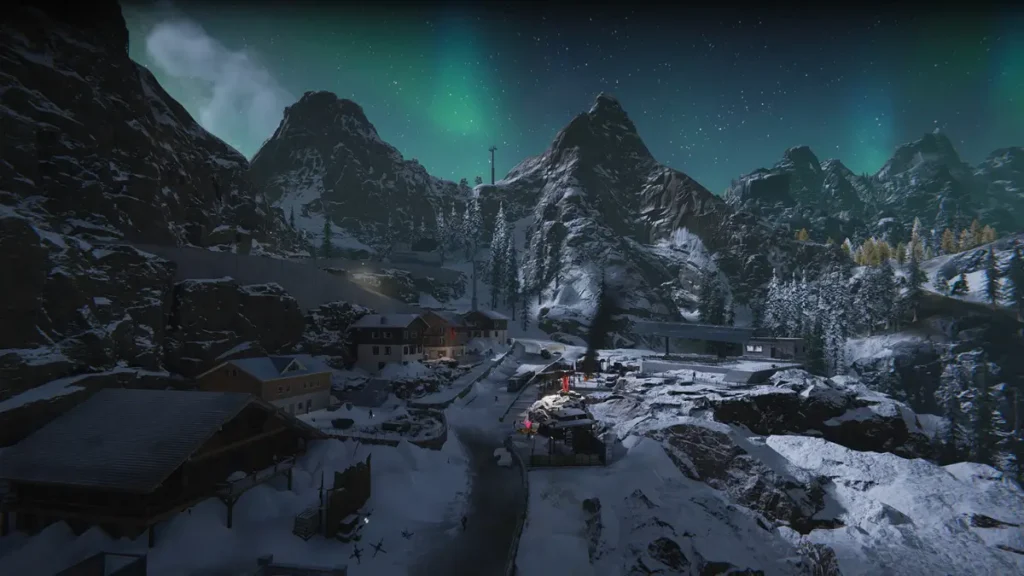
Combat basics and common mistakes
Once Human combat feels like a third-person shooter with survival game movement. Headshots matter enormously and most enemies have weak points that multiply damage. Learn enemy patterns instead of face-tanking everything because healing items are expensive early on.
Dodge rolling has invincibility frames. Time your dodges to avoid big attacks instead of rolling away from every threat. Resources for healing are limited so damage avoidance through proper dodging keeps you alive better than stockpiling bandages.
Don’t engage enemies above your level unless you’re confident in your mechanics. Level differences create massive damage reduction and health scaling. A level 15 player fighting level 20 enemies deals 40% less damage and takes 60% more. The math doesn’t favor you.
Stealth works better than you’d expect. Many encounters can be avoided or thinned out through stealth kills. Running past everything wastes ammo and healing items when careful movement lets you skip entire fights.
Bring backup weapons. Weapon durability drains during extended content and you don’t want to be stuck with a broken gun during a boss fight. Carry a primary and secondary weapon minimum once you can afford the inventory space.
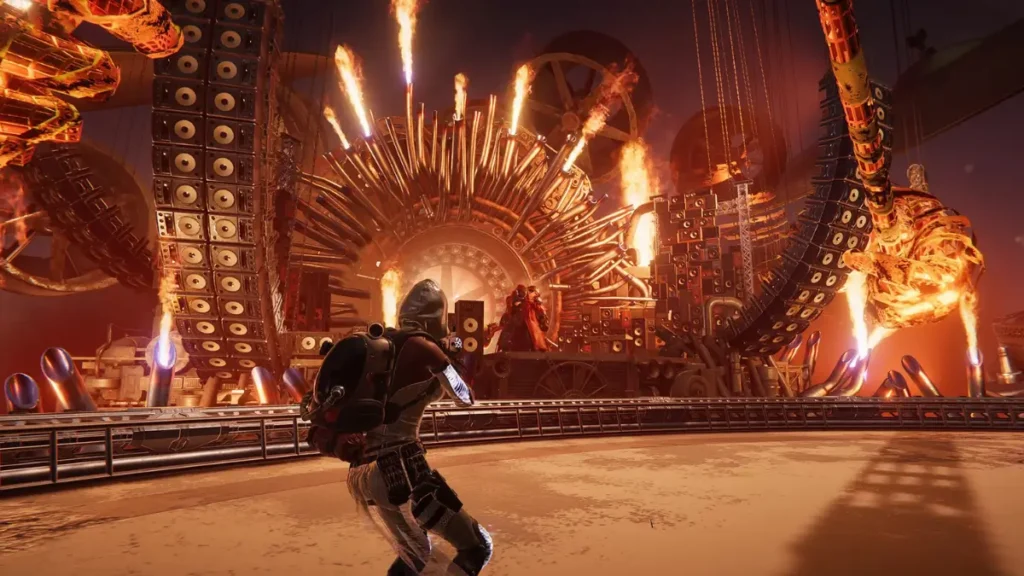
Deviant system introduction
Deviants are creature companions you capture and use for combat support, base automation, or passive bonuses. Your first Deviant slot unlocks through main story progression around level 10. Additional slots unlock as you level up with most players having 3-4 active Deviants by level 30.
Butterfly is your first easily obtainable Deviant and provides healing over time. Capture it immediately because it effectively gives you free health regeneration. Later Deviants provide better combat abilities but Butterfly carries you through early content.
Deviant capture requires special items you craft at specific stations. The game explains this poorly. You need a Deviant cage which requires completing a specific side mission chain. Don’t expect to capture every Deviant you see on day one.
Some Deviants provide base bonuses like faster crafting or resource generation. Others give combat abilities. Early on prioritize combat and healing Deviants. Base automation becomes valuable later when you’re producing complex materials that take hours.

What the game doesn’t tell you
Server wipes happen every season which lasts 2-3 months. Most progress resets but cosmetics and some minor bonuses carry over. New players often don’t realize this until they’ve invested 50 hours. Going in with eyes open about wipes prevents feeling betrayed later.
PvP is opt-in on most servers through faction conflicts and specific zones. You won’t get randomly killed while farming unless you specifically enter PvP areas. The game markets itself as PvEvP but PvE dominates most player experiences.
Energy is a premium currency that regenerates slowly. You get some free but the game constantly tempts you to buy more. Don’t spend energy on cosmetics or convenience items early. Save it for actually useful unlocks that improve progression.
Join a group or clan if you plan to play seriously. Solo is viable but slower and you’ll miss out on group content that provides the best rewards. Once Human’s endgame assumes multiplayer cooperation.
Conclusion
Once Human’s early game is rough if you don’t know which systems matter and which are traps. Focus on main story progression to unlock Deviants, choose base locations based on resource access not aesthetics, and prioritize functional crafts over cosmetics. The game becomes significantly more enjoyable once you’ve got basic infrastructure established and understand core mechanics.
Whether Once Human respects your time investment long-term depends heavily on how the seasonal wipe system affects your progression. Understanding exactly what you keep and lose during Once Human server wipes is critical before you commit serious hours to building your character and base.
Once Human
SURVIVAL SHOOTEROnce Human is a free-to-play open-world survival shooter where players explore a post-apocalyptic world, build bases, fight terrifying creatures, and survive alone or with friends across a massive online environment.

Allen Wade is a Senior PC Hardware & Performance Analyst at PerfCore with over 8 years of experience benchmarking CPUs, GPUs, gaming laptops, and system architectures. He specializes in 1080p and 1440p frametime analysis, thermal dynamics, and budget component optimization. Allen’s hardware testing methodology relies on standardized test benches, repeatable CapFrameX frametime captures, and clean OS environments.
This post contains affiliate links. If you make a purchase through these links, we may earn a commission at no extra cost to you.