
Headsets vs Earbuds for Gaming & Discord: Which Is Better for PC Gamers?

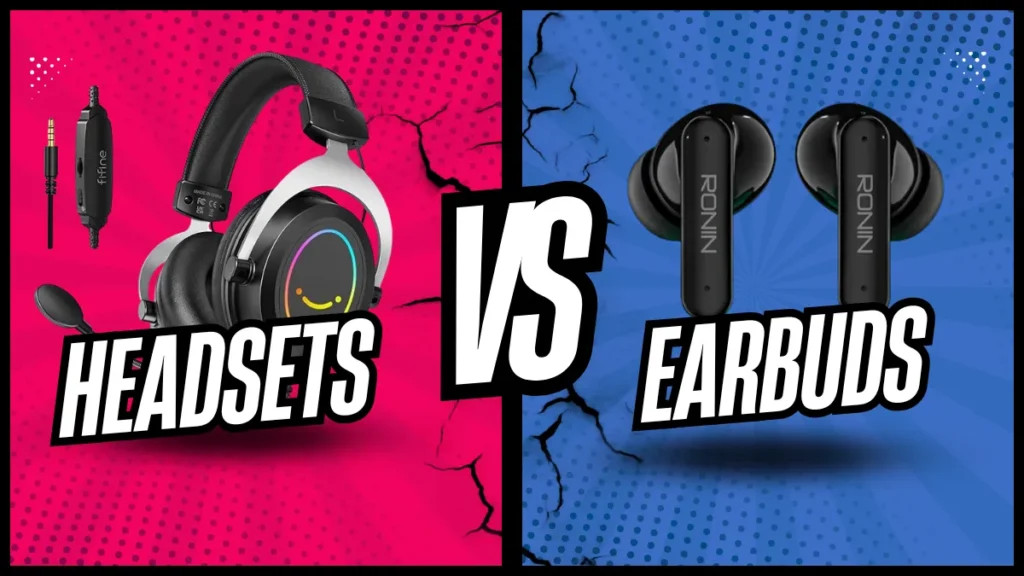
I spent three years using a pair of wireless earbuds for competitive gaming. Everyone told me I was doing it wrong, that I needed a proper gaming headset for Discord communication and spatial audio. Last month, I switched to a dedicated headset for two weeks, then went back to my earbuds. The experience left me more confused than convinced.
The gaming audio market wants you to believe there’s a clear winner in the headset vs earbuds for gaming debate. RGB lighting and marketing budgets suggest gaming headsets reign supreme, while the explosion of high-quality wireless earbuds tells a different story. Both camps have valid arguments, but neither addresses the practical reality most gamers face: limited desk space, multiple use cases, and the desire for audio gear that doesn’t look ridiculous outside gaming sessions.
The real question isn’t which format is objectively better. It’s which one fits your specific gaming habits, communication needs, and lifestyle constraints.
Contents
show
Table of Contents
Understanding the audio battlefield: what we’re actually comparing
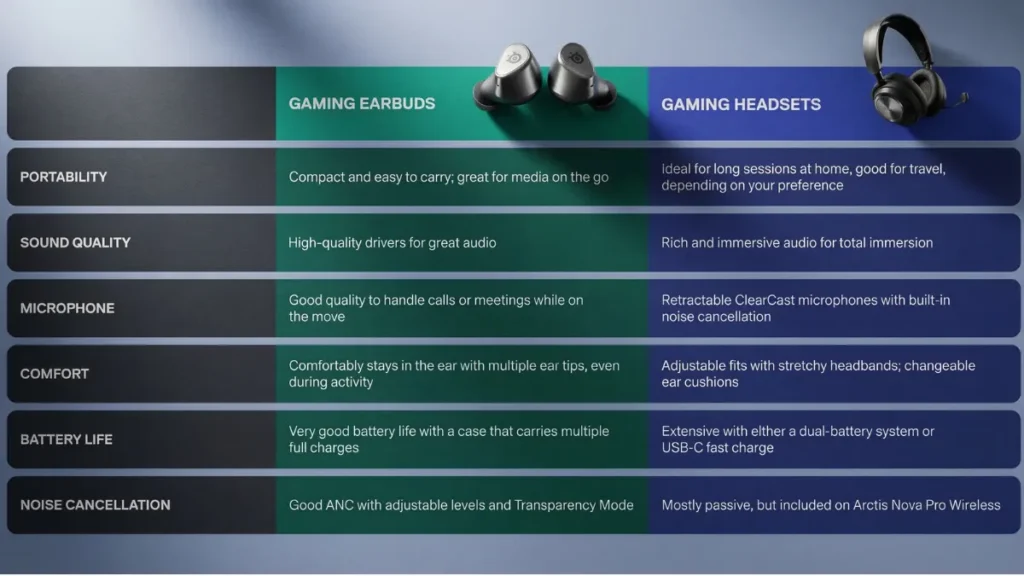
When we talk about gaming headset vs earbuds, we’re comparing two fundamentally different design philosophies. Gaming headsets are purpose-built devices with over-ear or on-ear designs, dedicated microphones (usually on a boom arm), and driver sizes ranging from 40mm to 50mm. They prioritize immersive soundstages, directional audio cues, and clear voice communication for team coordination.
Earbuds, whether wired or wireless, take a minimalist approach. They sit in or around your ear canal with much smaller drivers, typically ranging from 6mm to 12mm. Modern gaming earbuds often include gaming-specific features like low-latency modes and built-in microphones, but they’re fundamentally designed for portability and multi-purpose use. The distinction matters because it affects everything from comfort during marathon sessions to how your teammates hear you on Discord.
First contact: the comfort and perception problem
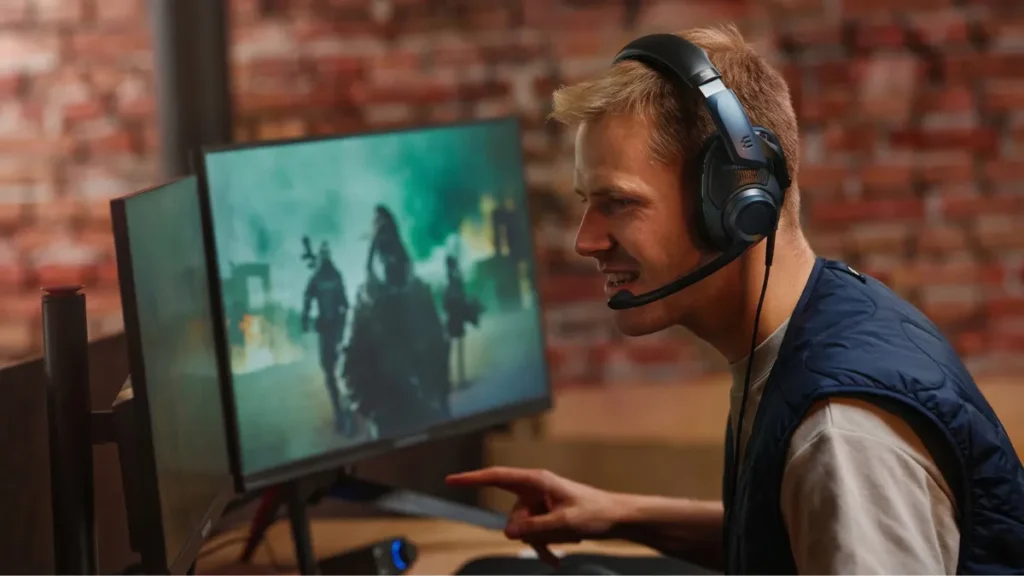
Putting on a gaming headset feels purposeful. There’s weight, presence, and immediate isolation from your environment. The first time I tested a proper discord gaming headset after months with earbuds, I noticed the pressure around my ears and the subtle heat buildup within ten minutes. It wasn’t uncomfortable exactly, but it was definitely there. My girlfriend also pointed out I looked more “serious” about gaming, which felt both validating and slightly embarrassing.
Switching to earbuds for gaming creates the opposite sensation. They disappear physically, which sounds ideal until you realize you’re also losing that mental boundary between casual listening and focused gameplay. I found myself more aware of ambient noise the refrigerator humming, traffic outside, my mechanical keyboard suddenly sounding louder. This isn’t necessarily bad, but it changes your relationship with the game world. For competitive players seeking every audio advantage, that environmental awareness can feel like a disadvantage. For casual gamers who want to hear the doorbell or keep an ear on their surroundings, it’s actually a feature.
Where gaming headsets dominate
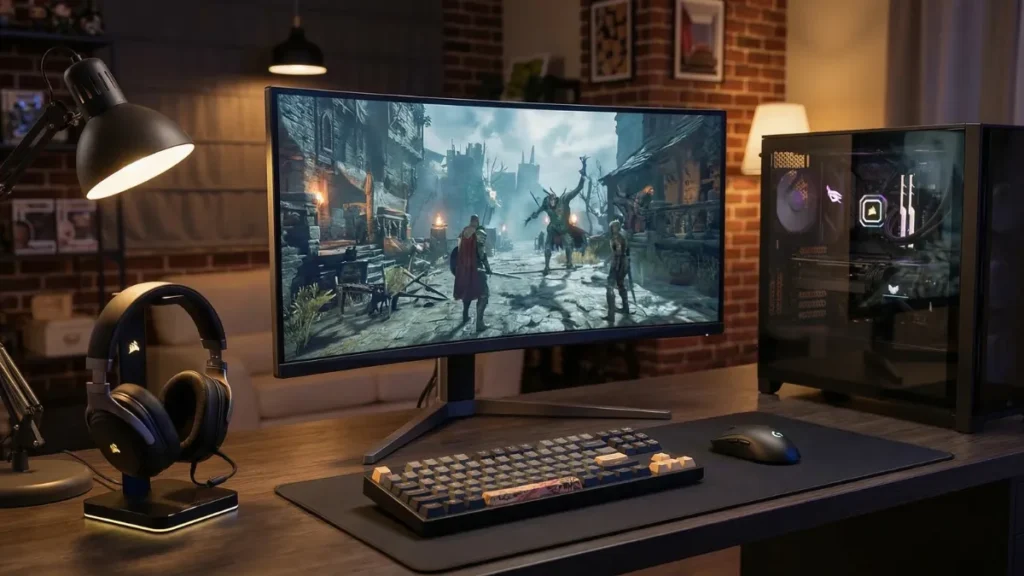
The best headset for discord communication exists for legitimate reasons. Boom microphones consistently deliver superior voice quality compared to earbud microphones, primarily because they position closer to your mouth and further from ambient noise sources. During testing, my Discord server unanimously preferred my headset’s audio quality. Background noise from my mechanical keyboard was significantly reduced, and my voice sounded clearer without the hollow quality that plagued my earbud microphone.
Gaming audio quality also benefits from larger drivers and dedicated sound tuning. Headsets create genuine soundstages that help with directional audio in competitive shooters. When an enemy approaches from behind in Valorant or Apex Legends, good headsets provide clearer positional information. This isn’t placebo the physics of larger drivers and over-ear designs create spatial separation that smaller earbud drivers struggle to replicate. I noticed this most dramatically in story-driven games like Resident Evil Village, where atmospheric sound design benefits enormously from immersive audio.
The isolation factor matters more than most people acknowledge. Closed-back gaming headsets block external noise effectively, creating focus during clutch moments. When you’re coordinating a rush strategy or listening for footsteps, complete audio immersion helps reaction times and decision-making. This becomes especially valuable if you game in shared spaces or noisy environments where concentration matters.
Comfort during extended sessions also favors quality headsets, despite the initial weight concern. After the first hour, well-designed ear cushions and headband padding distribute pressure evenly. I routinely wore my testing headset for four-plus hour sessions without significant discomfort, while earbuds consistently triggered ear fatigue around the two-hour mark.
The earbud counterargument: convenience meets reality
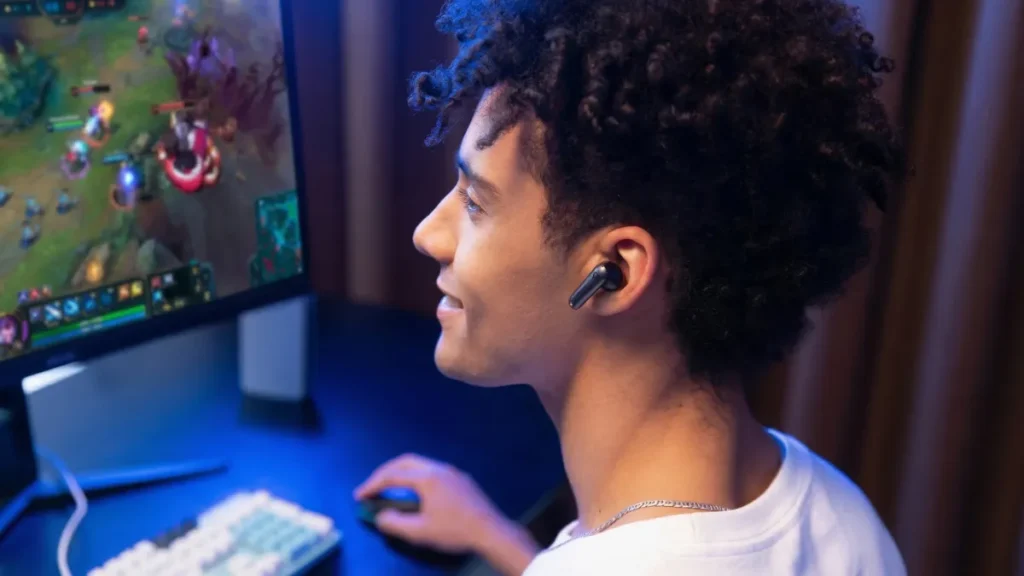
Earbuds for gaming shine in scenarios the marketing teams rarely discuss. The most obvious advantage is versatility your gaming audio solution doubles as your commute companion, gym partner, and video call device. This practical overlap matters significantly if you’re not exclusively using audio gear for gaming. Unlike the awkwardness of wearing a gaming headset on the bus or during a work call, quality earbuds transition seamlessly between contexts.
Temperature regulation is quietly revolutionary. Gaming sessions during summer months become genuinely more pleasant without over-ear cushions trapping heat. My ears literally stay cooler with earbuds, which sounds trivial until you’re three hours into a competitive grind on a warm evening. The reduced sweating and heat discomfort extend comfortable gaming time considerably.
The portability factor also affects setup and storage. Gaming headsets demand desk space, either hanging on stands or creating cable clutter. Earbuds disappear into a charging case that fits in your pocket. For gamers with limited desk real estate or those who frequently switch between gaming setups (desktop, laptop, Steam Deck), this convenience eliminates friction. I found myself gaming more consistently once I stopped needing to untangle headset cables or find storage space.
Modern wireless earbuds have largely solved the latency issues that plagued earlier Bluetooth models. Gaming-specific earbuds and those with low-latency modes now deliver audio synchronization that’s acceptable for most gaming scenarios. You’ll notice slight delays in rhythm games, but for shooters, RPGs, and strategy games, the difference is negligible during actual gameplay.
The friction points nobody admits
Gaming communication headsets create social awkwardness outside gaming contexts. Taking video calls or joining Zoom meetings with an RGB-lit headset feels performatively ridiculous. I’ve done it, and the self-consciousness is real. This matters if your gaming setup doubles as your work-from-home station, which describes an increasing number of American gamers post-pandemic.
Headsets also suffer from the durability problem. Boom microphones break, hinges crack, and ear cushions degrade. I’ve replaced headsets three times in five years, while my earbuds (aside from lost charging cases) have proven more resilient. The maintenance burden isn’t enormous, but it’s worth considering for long-term value.
Conversely, earbuds struggle with consistent microphone positioning. Your voice quality varies based on jaw position, head movement, and earbud fit. Discord communication suffers noticeably when your microphone constantly shifts position. Friends complained about inconsistent volume and occasional muffled audio when I used earbuds exclusively. The convenience doesn’t matter much if your callouts are unintelligible during critical moments.
Battery management also becomes a real concern with wireless earbuds. Gaming sessions exceeding four hours require charging breaks or backup earbuds. Wired headsets eliminate this anxiety entirely, while wireless headsets typically offer 15-30 hour battery life. For marathon gamers, this practical limitation matters significantly.
Performance reality check: testing the marketing claims
I conducted a straightforward test across different gaming scenarios. In competitive shooters like Valorant, the headset provided marginally better directional audio. I could identify enemy positions slightly faster, though the advantage was smaller than marketing suggests. My K/D ratio didn’t magically improve, but information gathering felt marginally clearer.
Story-driven single-player games showed the largest quality gap. Playing through Cyberpunk 2077 with a proper headset delivered noticeably richer atmosphere and emotional impact compared to earbuds. The soundscape felt more immersive, which enhanced the narrative experience considerably. However, casual multiplayer sessions in games like Fortnite or casual Discord conversations showed minimal practical difference.
Voice communication quality testing revealed the clearest winner. Recording and comparing Discord audio from both setups showed my gaming communication headset delivered consistently superior results. Background noise reduction was better, voice clarity improved, and overall communication reliability increased. For team-based competitive gaming, this advantage justifies the headset investment.
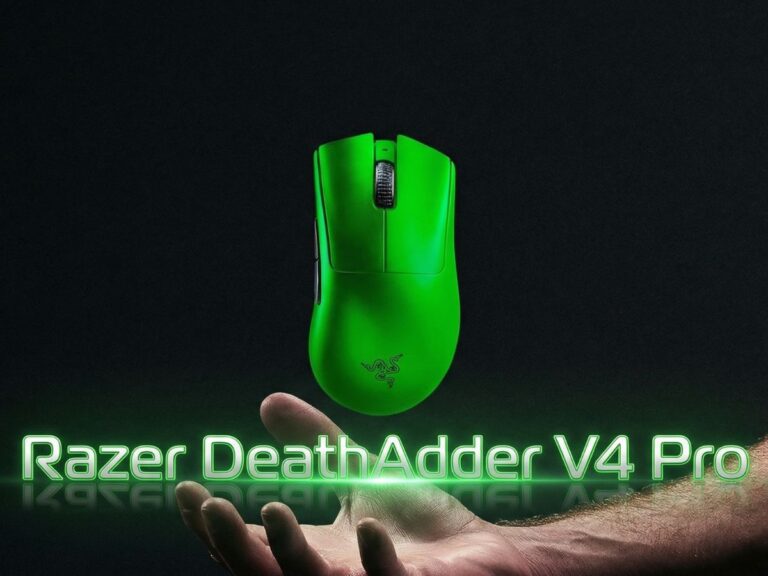
Precision peripherals like the Razer DeathAdder V4 Pro gaming mouse complement quality audio setups by reducing input lag across your entire gaming experience. Similarly, choosing among the best gaming mice of 2025 requires the same practical evaluation approach marketing claims versus real-world performance.
Who should choose what: the practical decision matrix
Competitive gamers who prioritize team communication and every possible audio advantage should invest in a quality gaming headset. If you’re grinding ranked modes, participating in team scrims, or streaming regularly, the superior microphone quality and immersive audio justify the investment and inconvenience. The gaming communication headset becomes a performance tool, not just an accessory.
Casual gamers with limited space, multiple audio needs, or heat sensitivity will find earbuds more practical. If you game for 1-2 hours at a time, primarily play single-player games, or value device versatility, quality earbuds deliver 85% of the performance with significantly more convenience. The headset or earbuds for gaming question resolves toward earbuds when flexibility matters more than marginal performance gains.
Content creators and streamers need headsets, full stop. Your audience judges audio quality harshly, and boom microphones simply sound more professional than earbud mics. The investment pays immediate dividends in production quality and viewer retention.
The verdict: stop seeking universal answers
The headset vs earbuds for gaming debate lacks a definitive winner because it’s asking the wrong question. Gaming headsets deliver objectively better Discord communication and slightly superior immersive audio. Earbuds provide dramatically better versatility, comfort in warm conditions, and practical convenience for multi-purpose users.
Choose headsets if audio performance matters more than convenience, if you primarily game at a dedicated setup, and if team communication is essential to your gaming experience. Choose earbuds if you value flexibility, game across multiple devices, and prioritize comfort during moderate-length sessions. Both choices are valid your lifestyle determines which compromise fits better.
I’ve settled on using both strategically. Competitive sessions and streaming get the headset. Casual gaming, portable sessions, and everything else gets the earbuds. That might sound like fence-sitting, but it’s actually the most practical answer after testing both approaches extensively.

I haven’t been working in the IT industry for very long, but ever since I was a kid I knew this was what I wanted to do. I started studying and tinkering with hardware when I was around 10 years old, although I had been using computers long before that , I used my first mouse at just 3 years old.
My studies focused on computer science topics, mainly cybersecurity. Over time, I discovered how much I enjoyed sharing hardware-related news and information with others.
Like many professionals in the industry, video games were one of my main motivations for getting into tech. They’re still a big part of my daily life, and I’m always keeping an eye on the latest announcements.
I’ve been working at PerfCore for a while now as a writer, and little by little I’m gaining experience in other roles as well such as doing in-depth product reviews and developing a more critical, analytical approach to hardware.