

Once Human Review: Worth Playing or Overhyped in 2026?
This Once Human review covers gameplay, Deviants, server wipes, and whether it’s worth playing in 2026.

Once Human showed up as a free-to-play survival shooter and immediately got compared to every other game in the genre. It’s got base building like Rust, looter-shooter mechanics like The Division, and creature companions that remind people of Palworld. The marketing promised a unique post-apocalyptic experience but free-to-play survival games have a reputation for aggressive monetization and shallow gameplay loops.
Once Human is a free-to-play survival shooter available now on PC via
Steam and the official launcher.
What made me actually download it was curiosity about whether a game could balance survival mechanics with structured progression without devolving into either pure sandbox chaos or repetitive grind. After 120 hours across four seasons, I’ve got clear answers about what Once Human does well, where it falls apart, and who should actually spend time on it.
The central question isn’t whether Once Human is perfect. It’s whether the game respects your time investment, provides enough unique content to justify choosing it over established alternatives, and whether the seasonal wipe system enhances or ruins the experience. The answer depends heavily on what you value in survival games.

This Once Human review answers the big question: worth playing or overhyped in 2026?
Table of Contents
Once Human: key facts about the game
Title: Once Human.
Platform: PC.
Developer: Starry Studio.
Publisher: NetEase Games.
Release date: July 9, 2024.
Genre: Open-world survival shooter with crafting and base-building elements.
Business model: Free-to-play.
Once Human review after 160 hours
Once Human is a free-to-play survival shooter available now on PC via
Steam and the official launcher.
Early game experience and learning curve
Once Human drops you into the world with minimal tutorial and expects you to figure out crafting, combat, base building, and resource management simultaneously. The first three hours are rough if you’re not familiar with survival game conventions. You’ll die to basic enemies, waste resources on poor crafting choices, and probably build your first base in a terrible location.
The main story missions provide structure that pure sandbox survival games lack. Following the quest line teaches core mechanics and unlocks essential systems like Deviant capturing and advanced crafting stations. This guided progression prevents the “what do I do now” paralysis that kills interest in pure sandbox games.
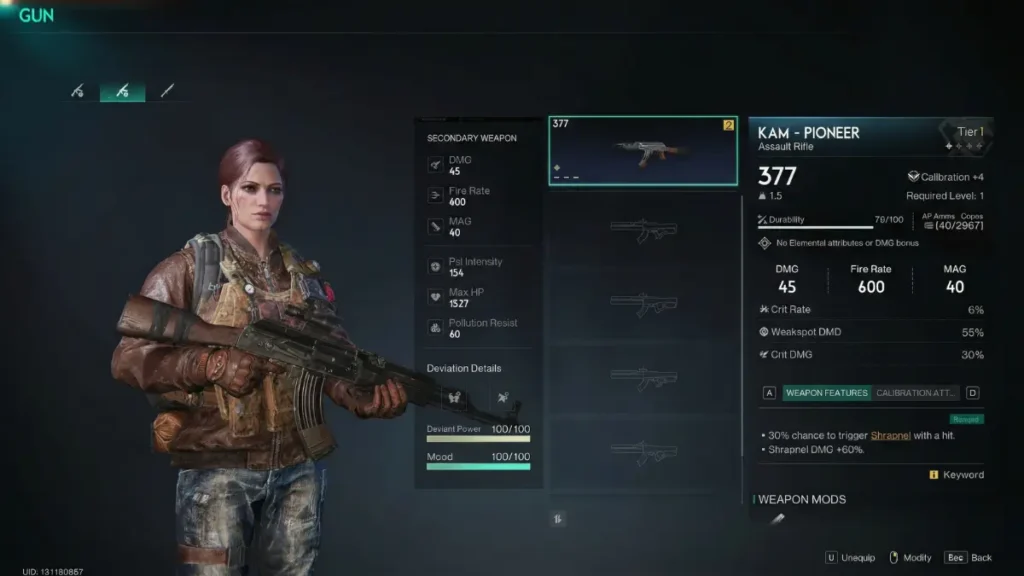
Combat feels like a competent third-person shooter with survival game movement. Headshots matter, dodging has invincibility frames, and enemy patterns are learnable. It’s not groundbreaking but it’s functional and responsive enough that fights feel fair when you die and satisfying when you win.
Base building starts simple with basic walls and crafting stations then expands into complex multi-level structures with automation and defense systems. The building controls are clunky compared to dedicated building games but serviceable once you learn the quirks. Don’t expect Valheim-level building freedom but you can create functional and aesthetically decent bases.
Resource gathering is the typical survival game loop of hitting nodes, chopping trees, and looting containers. Once Human adds Deviants that speed up gathering and highlight resources which reduces tedium compared to games where you manually search for every material. The grind still exists but quality of life features make it less painful.
The learning curve plateaus hard around level 20 when you’ve unlocked core systems and understand basic gameplay loops. Everything after that is optimization and progression rather than learning new mechanics. The game frontloads complexity then becomes repetitive, which works for some players and bores others.
For new players trying to navigate the chaotic early hours without wasting time on common mistakes, the detailed breakdown of Once Human beginner priorities and essential tips for your first 10 hours covers everything the game fails to explain properly.
Deviant system and what makes it unique
The Deviant system is Once Human’s best feature and the primary mechanic that differentiates it from other survival games. Deviants are creature companions you capture and deploy for combat support, resource gathering bonuses, or base automation. This isn’t a gimmick tacked onto a generic survival game, it’s a core system that fundamentally changes how you approach content.
You unlock your first Deviant slot around level 10 and gain additional slots as you progress to max level. Each Deviant has different abilities ranging from passive health regeneration to active combat damage to base crafting automation. The variety creates legitimate build choices where your Deviant loadout matters as much as your weapon selection.
Butterfly is typically your first capture and provides passive healing that eliminates most early game healing item consumption. This single Deviant changes the survival experience from resource-starved difficulty to manageable progression. Later Deviants like Digby Boy highlight resources through terrain or Enchanted Secateur speed up gathering by 30%. These aren’t minor bonuses, they’re build-defining choices.
The upgrade system for Deviants creates long-term progression goals beyond just leveling your character. Taking a Deviant from level 1 to max level requires significant material investment and time. You can’t max everything so choosing which Deviants to prioritize becomes a strategic decision with real consequences.
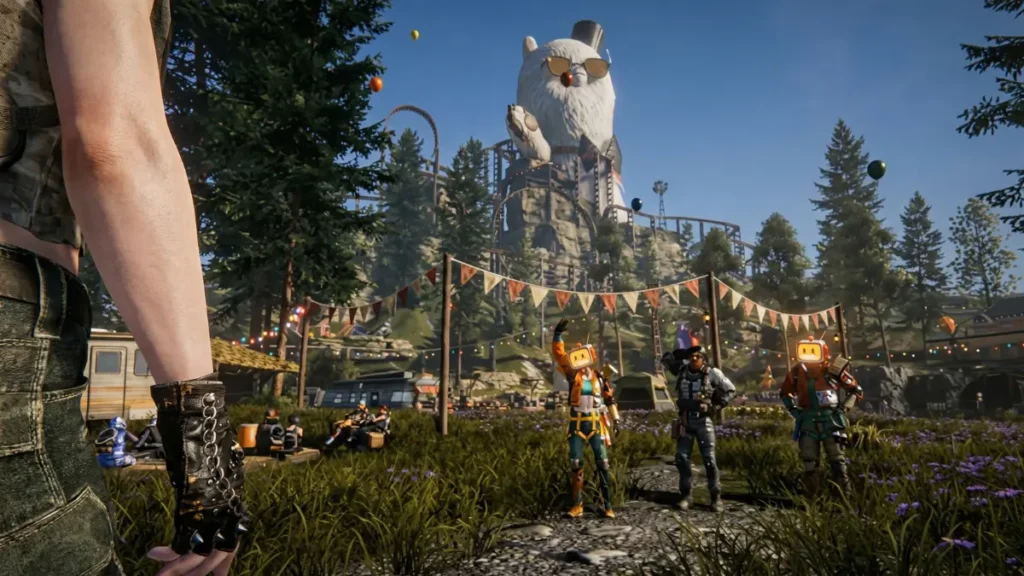
Combat Deviants add complexity to fights without requiring you to micromanage pet AI. Most combat Deviants provide passive effects like damage over time or enemy debuffs that trigger automatically. You’re still playing a shooter, not a pet management simulator. The Deviants enhance your capabilities without fundamentally changing the core combat loop.
Base automation Deviants are game-changers for anyone who hates waiting on crafting timers. Mini Wonder automatically crafts items at workbenches when you provide materials. Set it to produce ammo overnight and wake up to thousands of rounds. This eliminates the worst tedium of survival game crafting without removing the resource gathering requirement.
The system has depth that rewards knowledge and planning. Certain Deviant combinations create synergies that multiply effectiveness. Pairing gathering speed Deviants with carry weight Deviants turns resource runs into efficient targeted farms instead of endless back-and-forth trips to your base.
Understanding which Deviants matter and which waste precious upgrade resources requires either extensive trial and error or external research. The complete guide to Once Human’s Deviant system with tier rankings and upgrade priorities breaks down every Deviant worth capturing and why some common creatures outperform rare legendary ones.
Server wipes and seasonal progression model
Once Human uses mandatory seasonal server wipes every 6-8 weeks where most player progress resets. Your character goes back to level 1, your base disappears, all resources and gear vanish. This single design choice determines whether Once Human is worth playing for many people because it fundamentally changes how you value time investment.
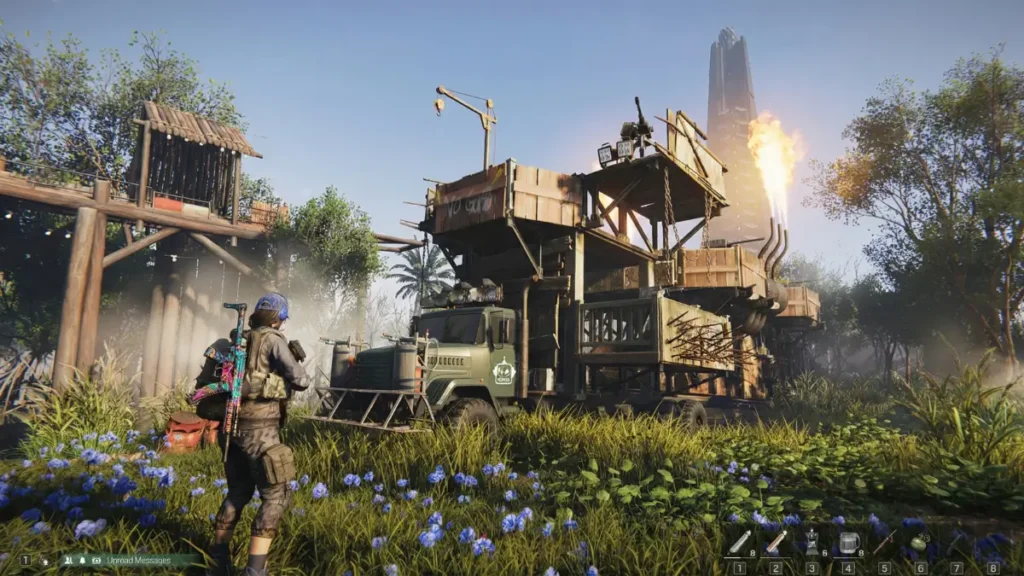
The wipe system comes from games like Path of Exile where seasonal resets create fresh economies and equal footing for new and veteran players. Once Human adopts this approach to prevent server stagnation and introduce new content without worrying about legacy items breaking balance. Whether this philosophy works depends entirely on your relationship with progression.
What actually carries over between seasons is mostly cosmetic. Skins, emotes, battle pass rewards, and purchased items persist. Some seasonal achievements and titles remain as account-wide unlocks. Premium currency sticks around. Everything else disappears when the season ends and servers reset.
The emotional experience of your first wipe is brutal if you don’t understand the system going in. Watching 60 hours of work vanish feels terrible even when you knew it was coming. This is the moment where players either embrace seasonal resets or quit permanently. There’s no middle ground, you either accept this model or the game isn’t for you.
Subsequent wipes hurt less because you know efficient progression routes. Your second season character reaches level 30 in half the time your first one did. You’re not figuring out systems from scratch, you’re executing a known optimal path. Veteran players treat seasons as speedruns to see how fast they can hit goals.
Each new season introduces balance changes, new enemies, altered crafting recipes, or completely new mechanics. Season 2 might add a weapon type or Deviant category. Season 3 could change how base building works. These updates keep the core loop from becoming completely solved but they’re not different enough to make the game feel entirely fresh each time.
The seasonal model creates urgency and FOMO through limited-time rewards. Certain cosmetics or achievements only exist during specific seasons. This either motivates consistent play or feels manipulative depending on your tolerance for time-limited content. The game absolutely uses FOMO as a retention mechanism.
Late-season play becomes experimental for many veterans. Once you’ve accomplished your goals and wipe is two weeks away, failure has no consequences. This is when players try risky builds or content they normally wouldn’t because losing progress doesn’t matter when everything resets soon anyway.
The system works great for players who enjoy fresh starts and don’t get attached to permanent character progression. It actively punishes completionists who want to unlock everything permanently and players with limited time who can’t reach endgame before seasons end. Once Human makes no apologies for this design and isn’t trying to appeal to everyone.
For anyone trying to understand exactly what progress survives wipes and what disappears, plus whether the seasonal model enhances or ruins the experience, the complete breakdown of Once Human’s server wipe system and what carries between seasons covers every detail the game doesn’t clearly communicate.
Weapons, builds, and combat depth
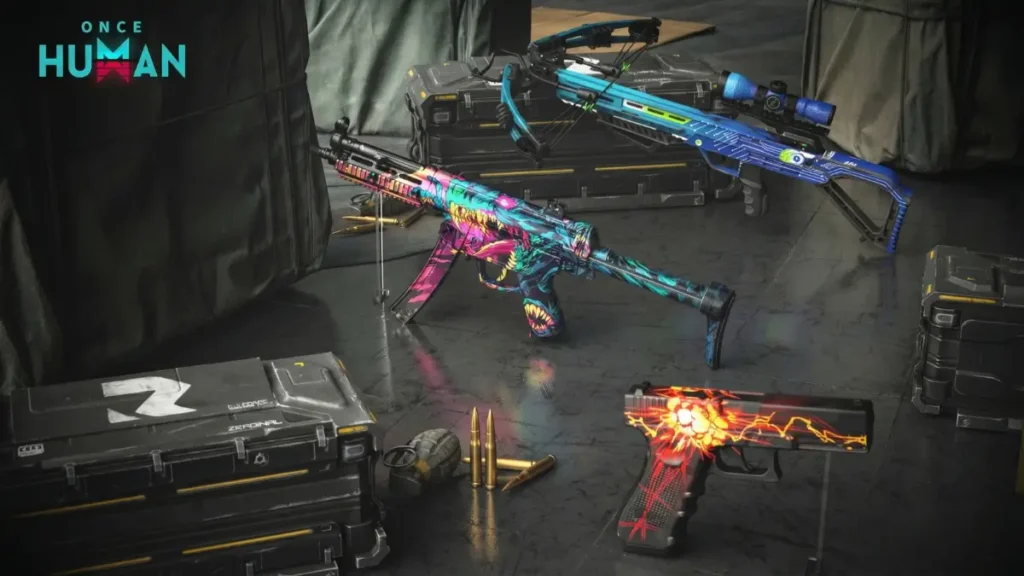
Once Human’s combat system looks like a standard third-person shooter on the surface but weapon mods, stat scaling, and build optimization create surprising depth. The difference between a random weapon loadout and an optimized build is massive enough that knowledge directly translates to power.
Weapons come in tiers from 1 to 5 with higher tiers providing better stats and more mod slots. However a tier 3 weapon with optimized mods outperforms a tier 4 weapon with no mods. The modification system matters more than raw tier once you reach mid-game. Understanding which mods provide 300% more value than others separates efficient players from those struggling with content.
The Bulldog assault rifle dominates PvE content as the best all-around weapon. Good DPS, manageable recoil, excellent mod compatibility, and ammo efficiency make it the safe choice for every situation. Veterans might experiment with niche builds but new players should rush to get a Bulldog and max it first.
Venom shotgun with acid mods is the king of single-target boss damage. The burst potential combined with armor shredding from acid damage melts elite enemies faster than any other weapon type. The downside is terrible ammo economy and uselessness against groups. You bring Venom for bosses and swap to Bulldog for everything else.
Build variety exists but the meta is fairly solved. Elemental damage builds that stack bonuses to fire or acid outperform rainbow builds trying to use every damage type. Crit builds require heavy investment before they feel good but dominate once properly optimized. Tank shotgun builds trade damage for survivability in group content.
PvP completely changes weapon priorities because time to kill is measured in seconds. Burst damage matters more than sustained DPS. Shotguns that are strong in PvE become dominant in PvP because one good shot ends fights. Sniper rifles need completely different builds focusing on alpha damage over DPS. SMGs excel through high fire rate and movement speed despite being mediocre early in PvE.
The stat system lets you specialize in specific weapon types or spread points for versatility. Early on generalist builds work fine but endgame content punishes lack of specialization. You can’t be good at everything so choosing 1-2 weapon types and building around them provides better results than trying to use every gun equally.
Mods are expensive to acquire and swap so experimenting on your main weapon is risky. Smart players test mod combinations on cheaper tier 2 weapons before committing to endgame gear. The game doesn’t let you freely respec so bad mod choices waste days of farming.
Combat difficulty scales appropriately where good builds and player skill let you tackle content above your level. Bad builds force you to overlevel everything. The game rewards optimization and punishes ignorance. You can brute force content through time investment but knowledge shortcuts that grind significantly.
Boss fights are pattern-based with telegraphed attacks and weak point mechanics. Learning the patterns and building appropriate loadouts turns frustrating roadblocks into farmable content. Once you understand a boss, it stops being difficult and becomes routine. This either feels satisfying or repetitive depending on your tolerance for farming.
The weapon meta shifts slightly each season with balance changes but fundamental truths remain constant. Certain weapon archetypes are mathematically superior and preferences can’t overcome bad stat scaling. Playing what you enjoy is fine but expect to clear content slower than optimized meta builds.
For players who want to optimize their damage output and understand which weapons and mods actually matter, the comprehensive breakdown of Once Human’s best weapons and builds for PvE and PvP covers current meta choices and why certain guns dominate their categories.
Final verdict: is Once Human worth playing in 2026
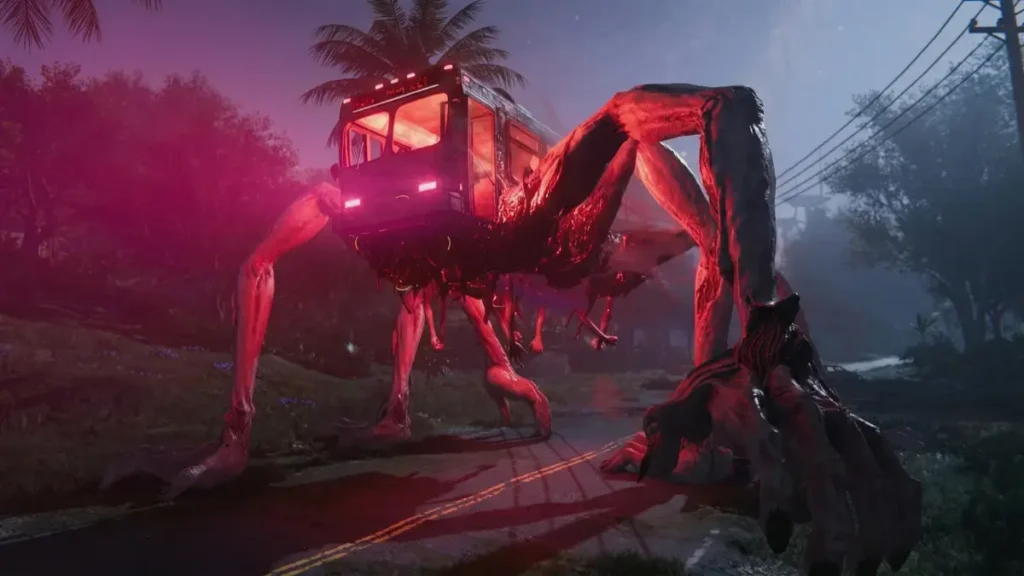
So is Once Human worth playing? The answer is yes for specific player types and absolutely not for others. This isn’t a game trying to appeal to everyone and it makes no apologies for its polarizing design choices.
Once Human succeeds at creating a structured survival experience with actual progression goals beyond pure sandbox building. The Deviant system is genuinely innovative and adds strategic depth that most survival games lack. Combat is competent enough to stay engaging through dozens of hours. Base building provides creative freedom without overwhelming complexity.
The seasonal wipe system is either a feature or a fatal flaw depending on your relationship with progression. If you enjoy the journey more than the destination and don’t mind experiencing content multiple times with variations, seasonal resets provide structure and regular fresh starts. If you want permanent character progression and can’t stomach losing work every 6-8 weeks, Once Human isn’t designed for you.
The free-to-play monetization is aggressive with constant battle pass reminders and cosmetic store advertising. You can play entirely free but the game makes sure you know what you’re missing. It’s not pay-to-win but it definitely wants your wallet. Players sensitive to monetization pressure should proceed cautiously.
Performance is generally solid on mid-range hardware with occasional stutters during intense combat or in populated areas. The game isn’t optimized as well as paid alternatives but it runs acceptably on most gaming PCs from the last five years.
Content variety becomes an issue after 40-50 hours. The core loop of gathering, crafting, fighting, and building stays consistent throughout. Seasonal mechanics add variations but don’t fundamentally change the experience. If the base gameplay loop doesn’t click for you in the first 10 hours, another 100 hours won’t change your mind.
Solo play is viable but slower and locks you out of some endgame content designed for groups. The game strongly encourages multiplayer cooperation through raid content and faction activities. Pure solo players can progress but they’re playing a compromised version of the intended experience.
Once Human makes the most sense for players who enjoy survival crafting games, don’t mind seasonal resets, and want structured progression systems instead of pure sandbox freedom. It works well for groups looking for a free alternative to paid survival games and for players who treat seasons as fresh competitive starts rather than permanent characters.
Skip Once Human if you hate losing progress, prefer pure PvP sandbox games like Rust, can’t tolerate free-to-play monetization, or want deep build complexity like Path of Exile. The game occupies a specific niche and doesn’t try to be everything to everyone.
My recommendation after 120 hours across four seasons: try it because it’s free and you’ll know within 5-10 hours whether the core loop appeals to you. The early game accurately represents the full experience. If you enjoy your first session, the game has 50-100 hours of content per season. If you’re bored or frustrated in the first few hours, it doesn’t get better enough to justify continuing.
For new players ready to dive in, starting with proper knowledge prevents the frustrating mistakes that kill interest before you’ve experienced the game’s strengths. The complete Once Human beginner guide covering essential early priorities and systems will save you hours of wasted effort and set you up for successful progression through your first season.
Once Human is a free-to-play survival shooter available now on PC via
Steam and the official launcher.

I haven’t been working in the IT industry for very long, but ever since I was a kid I knew this was what I wanted to do. I started studying and tinkering with hardware when I was around 10 years old, although I had been using computers long before that , I used my first mouse at just 3 years old.
My studies focused on computer science topics, mainly cybersecurity. Over time, I discovered how much I enjoyed sharing hardware-related news and information with others.
Like many professionals in the industry, video games were one of my main motivations for getting into tech. They’re still a big part of my daily life, and I’m always keeping an eye on the latest announcements.
I’ve been working at PerfCore for a while now as a writer, and little by little I’m gaining experience in other roles as well such as doing in-depth product reviews and developing a more critical, analytical approach to hardware.