
Project Entropy Review: Read This Before You Play! (2026)

Released on April 16, 2024, Project Entropy is a free-to-play sci-fi strategy RPG MMO developed by FunPlus. Available on PC/Windows through Steam, as well as iPhone, iPad, and Android devices, this title throws players into the middle of an intergalactic power struggle. Whether you are lounging on the couch with your phone or sitting at your desk, the game promises a seamless cross-platform experience that connects commanders from every corner of the globe.
But does it actually deliver on that promise? Let’s break it all down.

Project Entropy
SCI-FI STRATEGYProject Entropy is a sci-fi strategy game where players explore mysterious planets, build powerful squads, and battle across a visually rich futuristic universe filled with unique environments and tactical challenges.
Table of Contents
What is project entropy all about ?
At its heart, Project Entropy hands you the reins of an alien civilization and dares you to conquer the stars. You recruit powerful heroes, assemble devastating fleets, and wage war across planets in a bid for galactic supremacy. Think of it as a cocktail of classic empire-building strategy, hero-collection RPG mechanics, and large-scale multiplayer warfare all wrapped in a slick sci-fi package.
After spending considerable time with the game across both PC and mobile, I walked away impressed by its ambition but cautious about some of its monetization choices. There is a genuinely fun strategy experience buried here, especially if you enjoy coordinating with friends and strangling the galaxy one star system at a time.
Setting and story premise
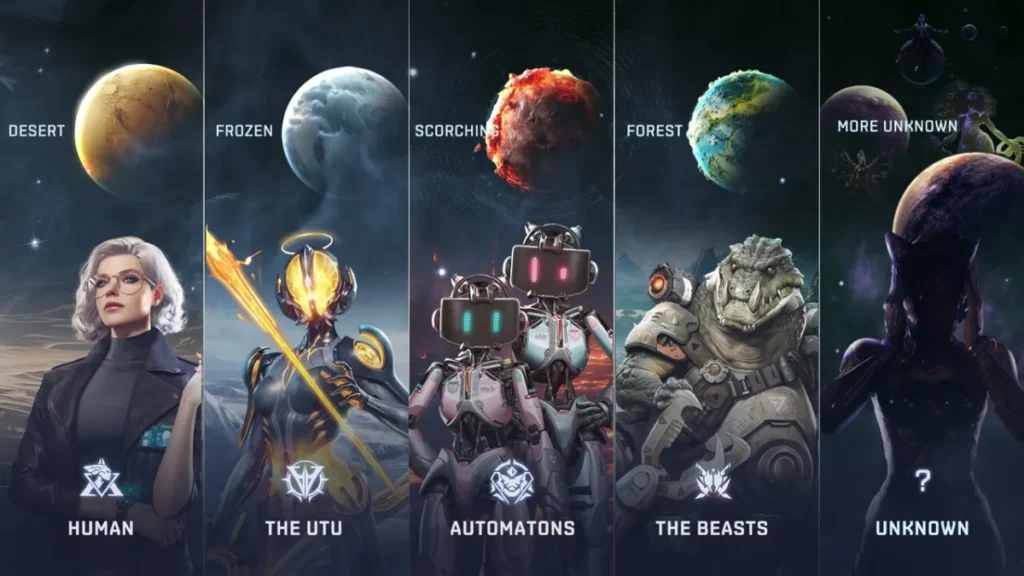
The narrative drops you onto Kepler-452B, a distant exoplanet that scientists once considered Earth’s closest cousin. In Project Entropy’s fiction, this world has become the epicenter of something called the Entropy Zone a mysterious region of space where reality itself destabilizes, resources are scarce, and alien factions claw at each other for survival.
The lore borrows heavily from classic space opera traditions. You have warring civilizations, ancient technologies waiting to be unearthed, and a looming cosmic threat that nobody fully understands yet. While the story won’t win any literary awards, it does a solid job of giving context to every battle you fight and every alliance you forge. The worldbuilding feels expansive enough to keep lore enthusiasts curious without overwhelming casual players who just want to jump in and start blowing things up.
Gameplay and combat
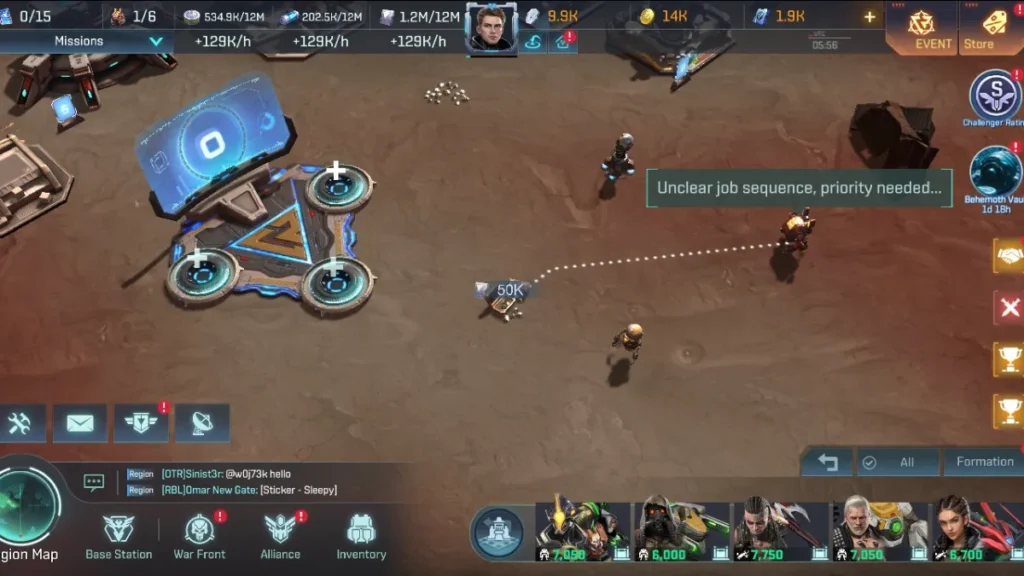
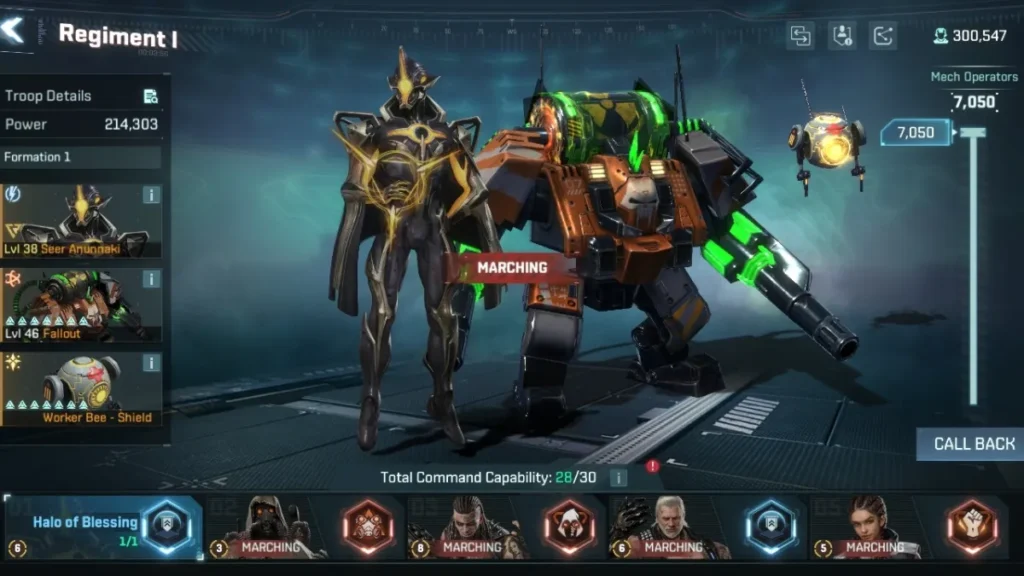
Here is where Project Entropy earns most of its stripes. The core gameplay loop revolves around recruiting heroes, each with unique abilities and combat roles. You pair these heroes with troops, mechs, and an arsenal of futuristic weapons to create a fighting force that suits your personal playstyle.
Battles unfold in real-time, which keeps things tense and engaging. You are not just watching numbers crunch behind the scenes you are actively positioning units, triggering hero abilities, and adapting to whatever your opponent throws at you. PvE encounters range from story missions to resource raids, while PvP combat pits your carefully crafted fleet against real human commanders who are just as hungry for victory.
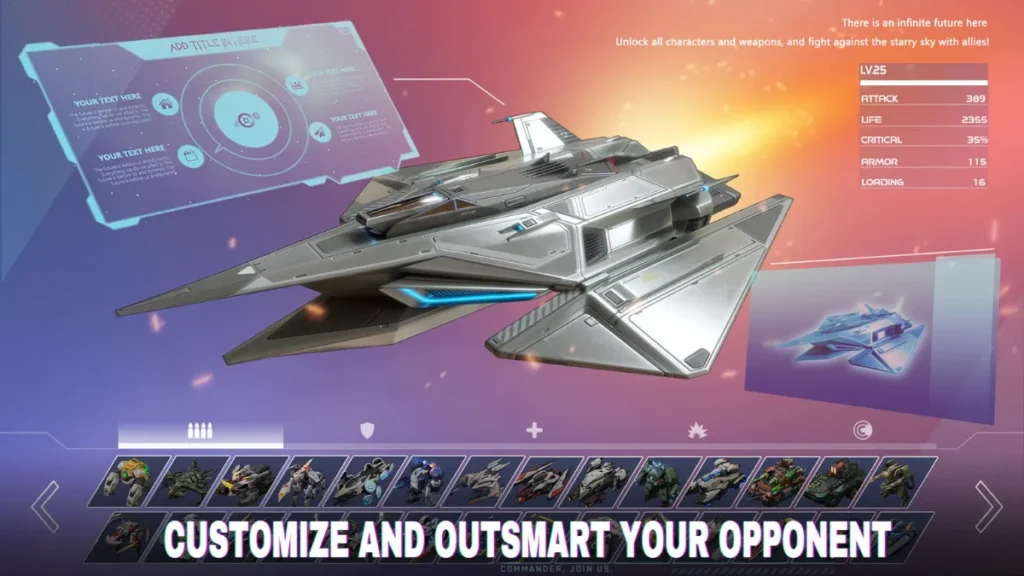
The mech system deserves special mention. Piloting massive war machines into battle adds a visceral layer to the strategy that pure fleet management sometimes lacks. Customizing loadouts, swapping weapons, and experimenting with different hero-mech combinations kept me tinkering for hours longer than I originally planned.
That said, the learning curve is steep. New players might feel overwhelmed by the sheer number of systems competing for attention in the first few hours. Stick with it, though, and the pieces start clicking together beautifully.
Alliance and multiplayer systems
No galactic empire thrives in isolation, and Project Entropy leans hard into its alliance system. Joining or creating an alliance unlocks cooperative missions, shared resources, and coordinated assaults on rival factions. Communication tools are functional, and the global player base means you will interact with commanders from different countries and time zones.
Cross-platform multiplayer is one of the game’s strongest selling points. A PC player and a mobile player can fight side by side without any friction. Online co-op feels rewarding when you pull off a perfectly synchronized attack, and online PvP keeps the competitive spirit alive long after the story content runs dry.
The social element genuinely elevates the experience. Strategy games of this kind often live or die based on their community, and FunPlus has clearly invested in making sure players have every reason to stick together and keep coming back.
Progression and monetization
Project Entropy is free-to-play, and you can download it without spending a single penny. However, both the iOS and Android versions feature in-app purchases, and the iOS listing specifically mentions loot boxes.
This is where things get a little complicated. Free-to-play players can absolutely enjoy the game and make meaningful progress. But the presence of loot boxes raises familiar concerns about pay-to-win dynamics, particularly in competitive PvP scenarios. If you are the type of player who needs every advantage immediately, the game will happily take your money. If you prefer grinding your way to the top organically, prepare for a slower journey.
Monetization is always a balancing act in this genre, and Project Entropy walks the tightrope reasonably well though it occasionally leans a bit too far toward the paying side for my taste.
Graphics, sound, and performance

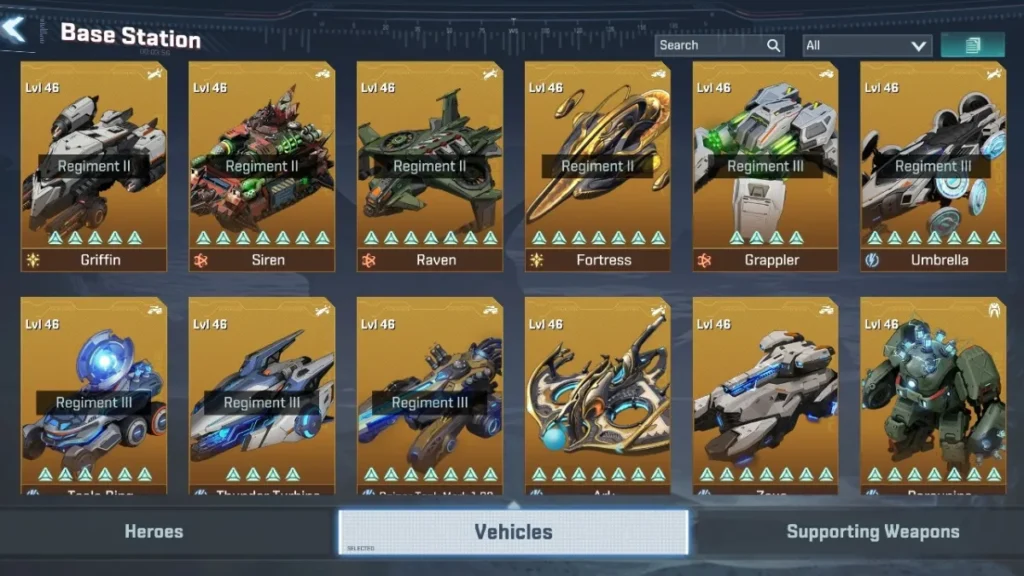
Visually, Project Entropy punches above its weight for a free-to-play title. Ship designs are detailed, planet surfaces look vibrant, and battle effects pop with enough flash to make engagements feel exciting without cluttering the screen. The soundtrack leans into sweeping orchestral and electronic tones that match the sci-fi atmosphere perfectly. Sound effects during combat carry genuine weight, especially when mechs unleash their heavier weapons.
Performance on mobile devices is surprisingly smooth, and the PC version runs well even on modest hardware.
Minimum PC Requirements (via Steam)
| Component | Specification |
| OS | Windows 7 SP1 (64-bit) |
| Processor | Core 2 Duo E6400 / Athlon X64 4000+ |
| RAM | 4 GB |
| Graphics | GTX 460 / Radeon HD 4400 |
| DirectX | Version 10 |
| Storage | 8 GB available space |
These specs are incredibly forgiving, meaning almost anyone with a functioning PC from the last decade should be able to run the game without issues.
Final verdict
Project Entropy is not going to reinvent the strategy MMO genre, but it does not need to. What it offers is a polished, ambitious, and deeply social sci-fi experience that rewards patience, teamwork, and tactical thinking.
If you are someone who loves sci-fi strategy, empire building, fleet management, and large-scale multiplayer warfare, this game deserves a spot on your radar. The cross-platform connectivity and alliance systems give it real staying power, and the real-time combat keeps every encounter feeling fresh.
Just go in with your eyes open about the monetization model, and you will find plenty to enjoy without breaking the bank.
Project Entropy
SCI-FI STRATEGYProject Entropy is a sci-fi strategy game where players explore mysterious planets, build powerful squads, and battle across a visually rich futuristic universe filled with unique environments and tactical challenges.
Project Entropy stands out among modern sci-fi titles, but it’s not alone. Check out our full list of the best space games of 2026 to discover more immersive space adventures.
New commander? Don’t miss our Project Entropy Beginner Guide (2026) covering 9 essential tips to progress fast and avoid costly early-game mistakes.

Allen Wade is a Senior PC Hardware & Performance Analyst at PerfCore with over 8 years of experience benchmarking CPUs, GPUs, gaming laptops, and system architectures. He specializes in 1080p and 1440p frametime analysis, thermal dynamics, and budget component optimization. Allen’s hardware testing methodology relies on standardized test benches, repeatable CapFrameX frametime captures, and clean OS environments.