Valor Mortis Review 2026: Is This First-Person Soulslike Worth Playing on PC?

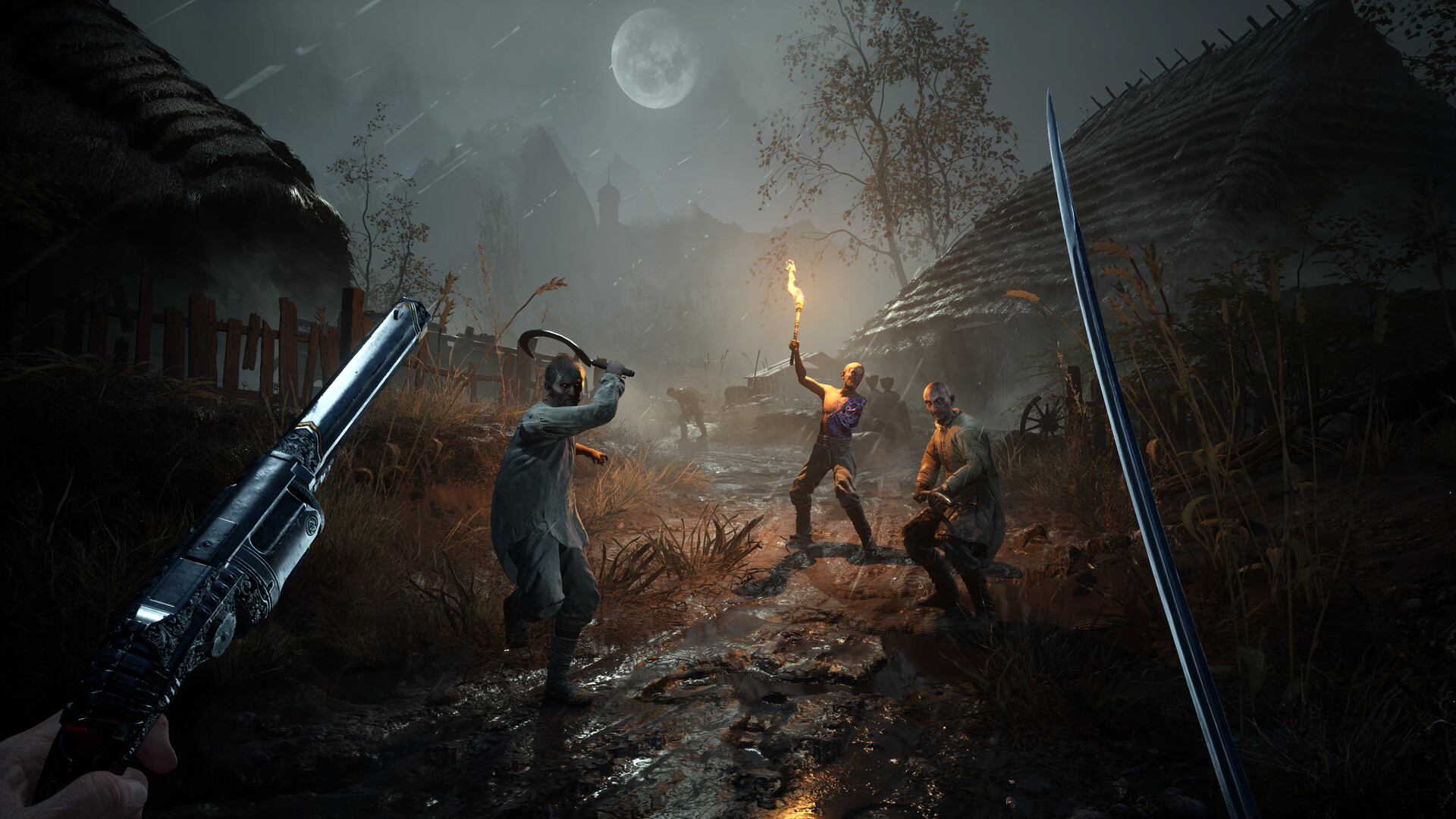
Soulslikes keep multiplying every year, and most of them follow the exact same blueprint: a third-person camera, crumbling medieval castles, and an oversized greatsword. So when One More Level, the Polish studio behind Ghostrunner, launched a first-person soulslike set in an alternate Napoleonic Europe overrun by a grotesque plague, it immediately stood out from the crowd. In this hands-on Valor Mortis review 2026, we test how its first-person swordplay, supernatural powers, and PC performance hold up on Windows, and whether it deserves a spot in your library.
Table of Contents
What is Valor Mortis?
Valor Mortis is a single-player, first-person action soulslike developed by One More Level and published alongside Lyrical Games. Released on October 13, 2026 for Windows PC, PlayStation 5, and Xbox Series X/S, the game puts you in the boots of William, a fallen soldier of Napoleon’s Grande Armee who claws his way out of a battlefield mass grave. The Europe you wake up to is not the one you died for: a corrupting substance known as Nephtoglobin has unleashed a continent-wide plague, twisting your former comrades into horrific abominations.
Instead of copying the slow, zoomed-out camera of traditional soulslikes, Valor Mortis pulls the perspective directly behind William’s eyes. You wield 19th-century melee weapons in your right hand while channeling supernatural plague mutations through your left. Every death feeds into your resurrection loop, giving you a focused 12 to 20 hour campaign built around tight parries, environmental shortcuts, and boss duels that demand your full attention.
Valor Mortis PC system requirements
The hardware requirements on Windows are approachable for mid-range rigs, though an SSD is mandatory for level streaming. Here is the official breakdown from Steam:
| Component | Minimum (1080p / Low / 30 FPS) | Recommended (1440p / Medium / 60 FPS) |
|---|---|---|
| OS | Windows 10 / 11 (64-bit) | Windows 10 / 11 (64-bit) |
| Processor | AMD Ryzen 5 3600 / Intel Core i5-10600K | AMD Ryzen 7 5800X / Intel Core i5-13400 |
| RAM | 16 GB | 16 GB |
| Graphics card | AMD RX 5600 XT / NVIDIA GTX 1660 Ti | AMD RX 6800 / NVIDIA RTX 3070 |
| DirectX | Version 12 | Version 12 |
| Storage | 60 GB available space (SSD required) | 60 GB available space (SSD required) |
Note that both official tiers list upscaling enabled as part of their target framerate baseline. If you are running an RTX 30-series or RX 6000-series card at 1080p or 1440p, you will have plenty of breathing room to push beyond 60 FPS once DLSS or FSR is active.
How to get Valor Mortis on PC
Valor Mortis is a single-purchase title on PC with no microtransactions, battle passes, or always-online DRM requirements. Getting set up on Windows is straightforward:
- Head over to Valor Mortis on Steam to purchase and download the client.
- Install the 60 GB package directly onto an NVMe or SATA SSD, as hard drives are unsupported.
- Update your NVIDIA or AMD graphics drivers before booting into the first chapter.
- Choose between mouse-and-keyboard or gamepad controls; full DualSense and Xbox controller support works right out of the box.
First-person soulslike combat
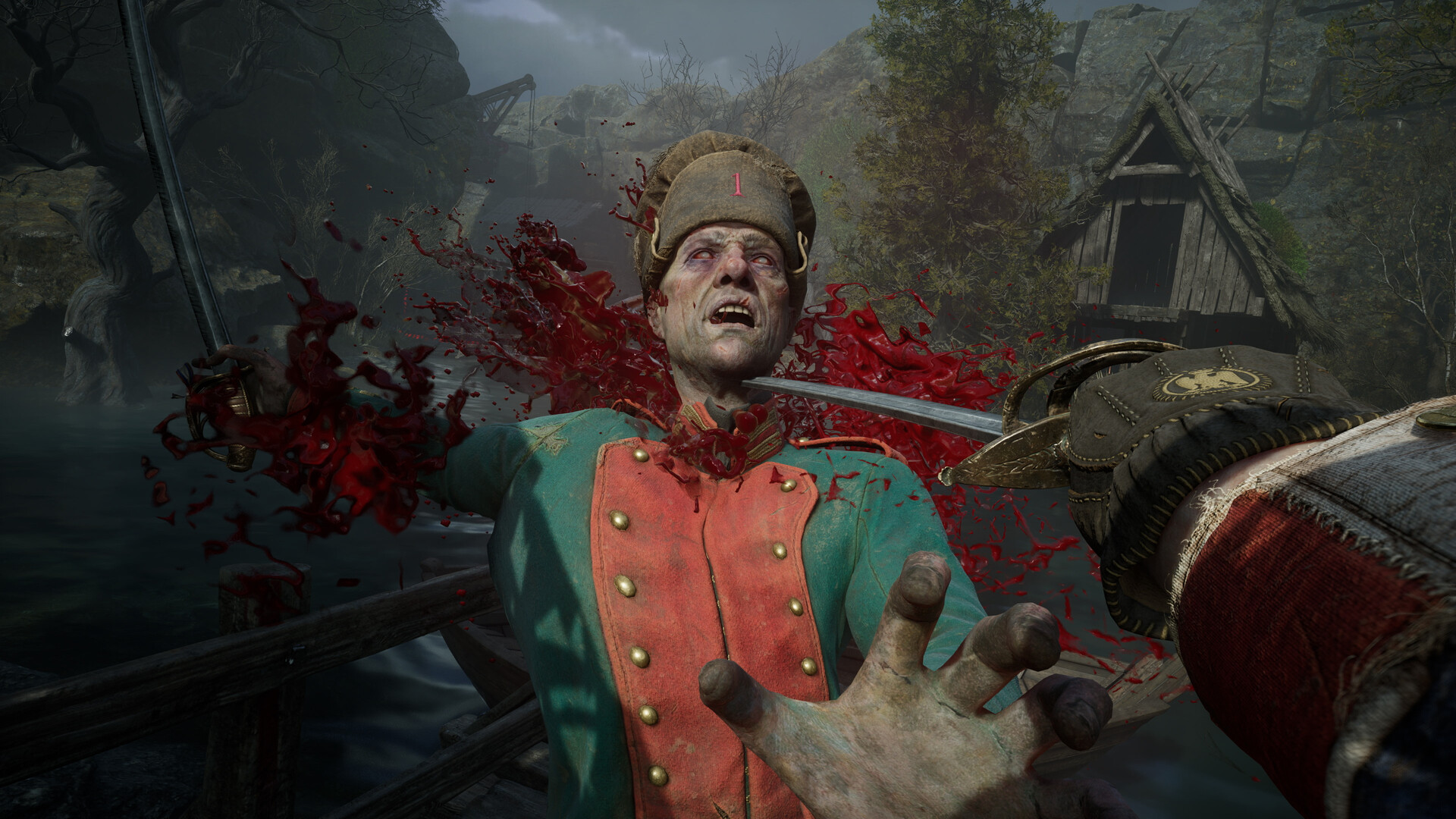
Here is where our Valor Mortis review 2026 really gets interesting. Shifting a soulslike into first person changes your relationship with danger. Without a floating camera hovering five feet behind your back, you cannot magically peek around corners or see an enemy winding up behind your shoulder. You have to read wrist flicks, shoulder twitches, and audio cues while staring directly into the steel of whatever is trying to take your head off.
One More Level clearly brought lessons over from Ghostrunner. While you still manage a stamina bar, light and heavy combos, and checkpoint lanterns that respawn enemies when you rest, the movement feels noticeably brisker than most soulslikes. Sabers, cutlasses, and rapiers each have distinct reach and parry timings, and landing a perfect deflection opens enemies up for brutal close-up finishers. If you enjoy mastering precision swordplay in atmospheric settings, our Where Winds Meet review covers another standout action RPG with razor-sharp deflection mechanics.
Plague powers and supernatural abilities
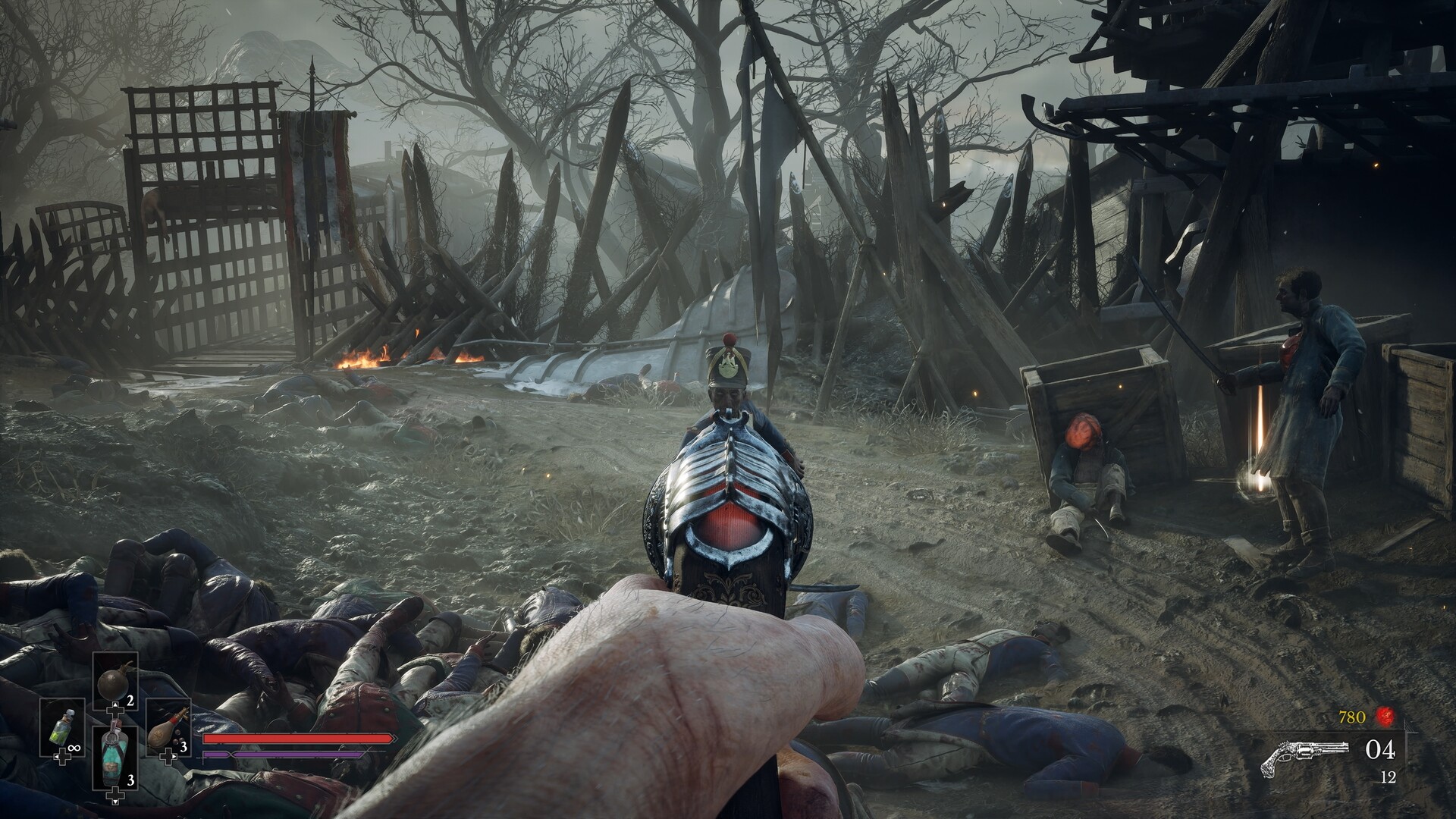
What stops the combat from feeling like a repetitive parry test is your left hand. Because William was resurrected by the Nephtoglobin plague, you can channel supernatural mutations alongside your sword strikes. Think BioShock’s plasmids grafted onto a dark fantasy duelist: you can infuse your blade with corrupting energy, lash out with ranged tendrils, or trigger burst mobility dashes to escape crowded corners.
Weaving these abilities between saber parries gives fights a satisfying rhythm. Aggressive play is rewarded because dealing melee damage helps fuel your supernatural attacks, encouraging you to stay in the pocket and trade blows rather than backpedaling around the arena waiting for a single safe poke.
World, atmosphere, and story
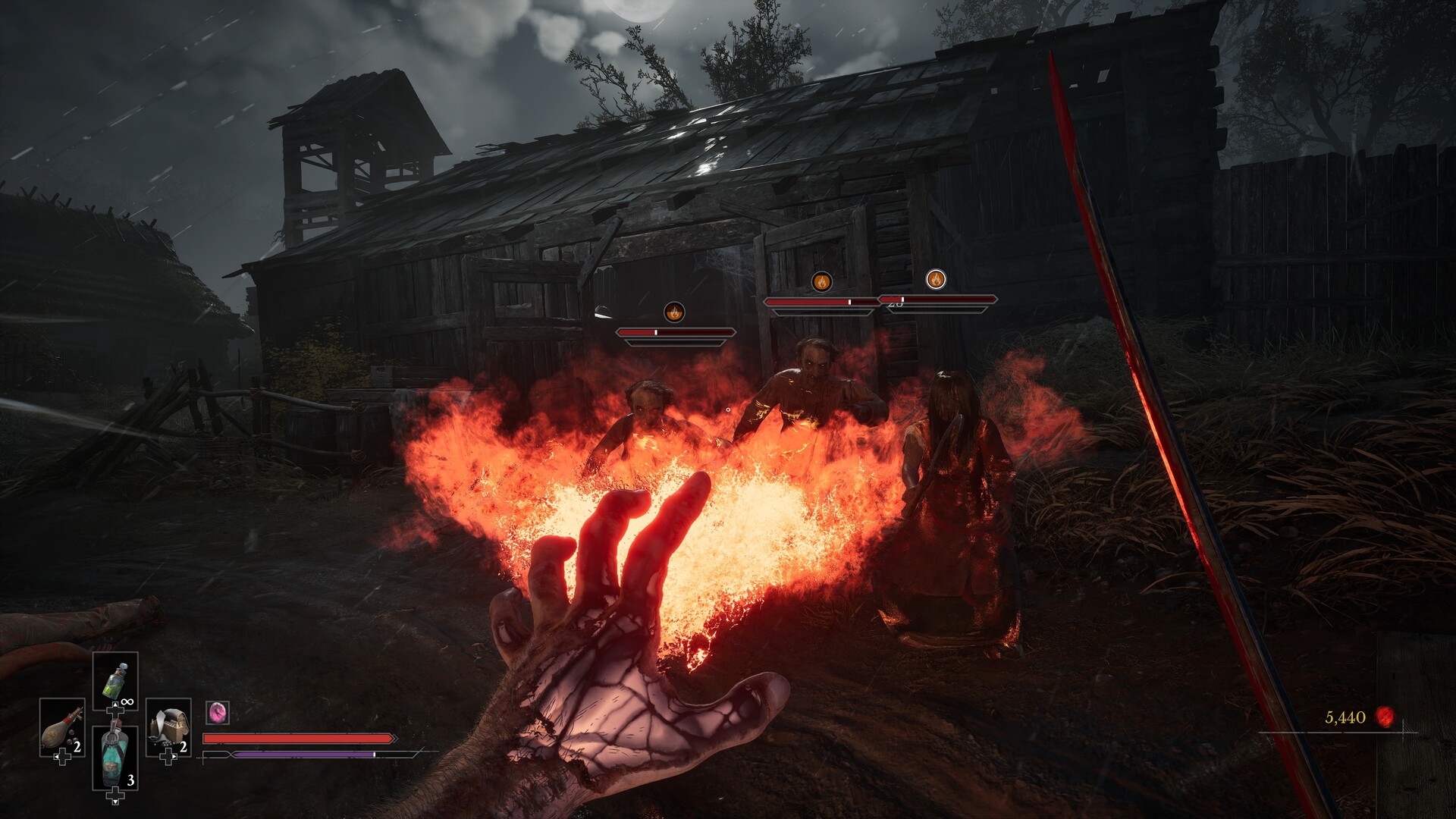
Setting a dark fantasy game in 19th-century Napoleonic Europe was an inspired choice. Muddy trenches filled with shattered cannons, candlelit field hospitals, and plague-twisted cathedrals give Valor Mortis an unmistakable visual identity. The enemies of Napoleon’s Eternal Guard look genuinely unsettling, fusing historical military uniforms with grotesque body horror.
Level design follows the classic interconnected formula: you push through tense corridors, unlock shortcuts that loop back to your previous lantern checkpoint, and uncover optional lore notes hidden off the beaten path. While the overarching plot about the conspiracy behind the plague is relatively straightforward, the sheer mood carries you forward. Players who appreciate grim dark-fantasy worlds on PC should also check out our MU: Dark Epoch review.
Graphics and performance on Windows
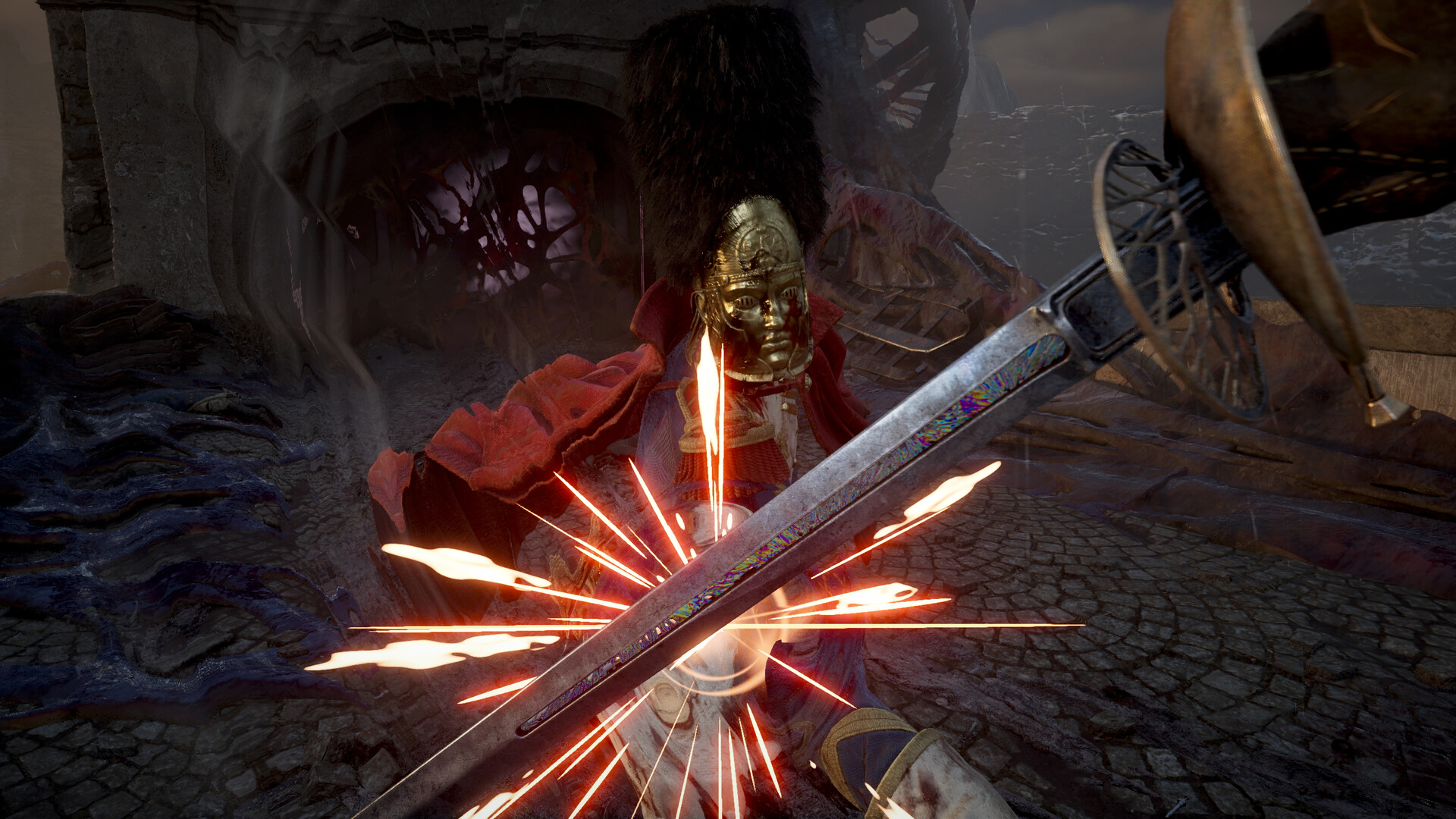
Running on DirectX 12, Valor Mortis uses heavy volumetric fog, wet surface reflections, and high-contrast particle effects to sell its grim atmosphere. HDR support is included and makes a real difference in dark interiors where lantern glow and supernatural sparks cut through the gloom. The options menu also includes thoughtful accessibility touches like custom volume sliders and detailed subtitle controls.
Because parrying and last-second dodging in first person rely on split-second visual feedback, a rock-steady framerate is far more important here than ultra-high resolution textures. Drop shadow quality and volumetric fog down a notch if your framerate dips during boss fights, and pair those tweaks with our guide on how to boost FPS in any PC game to keep your frame pacing smooth.
Where Valor Mortis falls short
Translating soulslike combat into first person comes with a few growing pains. Depth perception can occasionally betray you, especially when fighting fast, jerky enemies wielding rapiers or spears whose thrusting hitboxes are tricky to judge without seeing your own character’s feet. Getting clipped by a lunge you swore you dodged takes some getting used to during the opening hours.
We also encountered occasional framerate hitches in a few late-game areas when heavy particle effects filled the screen, and the story leaves a few interesting historical threads underdeveloped. None of these blemishes ruin the ride, especially given the game’s fair mid-tier price tag compared to bloated $70 releases, but they are worth keeping in mind.
Final verdict: Valor Mortis review 2026
To wrap up this Valor Mortis review 2026: One More Level took a real creative swing by fusing Ghostrunner’s first-person intensity with the methodical tension of a soulslike, and the experiment largely pays off.
If you are tired of cookie-cutter third-person soulslikes and want a dark, atmospheric action RPG that gets your heart racing every time steel clashes in your face, Valor Mortis is well worth playing on Windows PC. Grab your saber, embrace the plague, and check it out on Steam via the card below.
Valor Mortis
FIRST-PERSON SOULSLIKEA first-person action soulslike from the creators of Ghostrunner. Rise from the grave as a soldier of Napoleon, wield supernatural plague powers, and fight through a corrupted 19th-century Europe.

Allen Wade is a Senior PC Hardware & Performance Analyst at PerfCore with over 8 years of experience benchmarking CPUs, GPUs, gaming laptops, and system architectures. He specializes in 1080p and 1440p frametime analysis, thermal dynamics, and budget component optimization. Allen’s hardware testing methodology relies on standardized test benches, repeatable CapFrameX frametime captures, and clean OS environments.