
Onimusha: Way of the Sword Combat Mastery: How to Parry, Chain Issen, & Dominate Every Boss
Master combat in Onimusha: Way of the Sword on PC. Complete guide to parry timing, Break Issen counters, Oni Gauntlet soul absorption, and boss strategy in 2026.

The moment most players realize that Onimusha: Way of the Sword is not a game you can button-mash your way through usually arrives at the same place: the first mini-boss in the Market District who punishes three consecutive light attacks with a grab that removes a third of your health bar. That is not an unfair difficulty spike. That is the game introducing its actual rules. Capcom designed this combat system around a very specific philosophy: every exchange between you and a Genma is a conversation, and you need to let the enemy speak first. Whether you are playing on PC through Steam or preparing for your first playthrough, in this complete Onimusha: Way of the Sword combat guide, we break down how to master parry timing, lethal Break Issen counters, and Oni Gauntlet soul management.
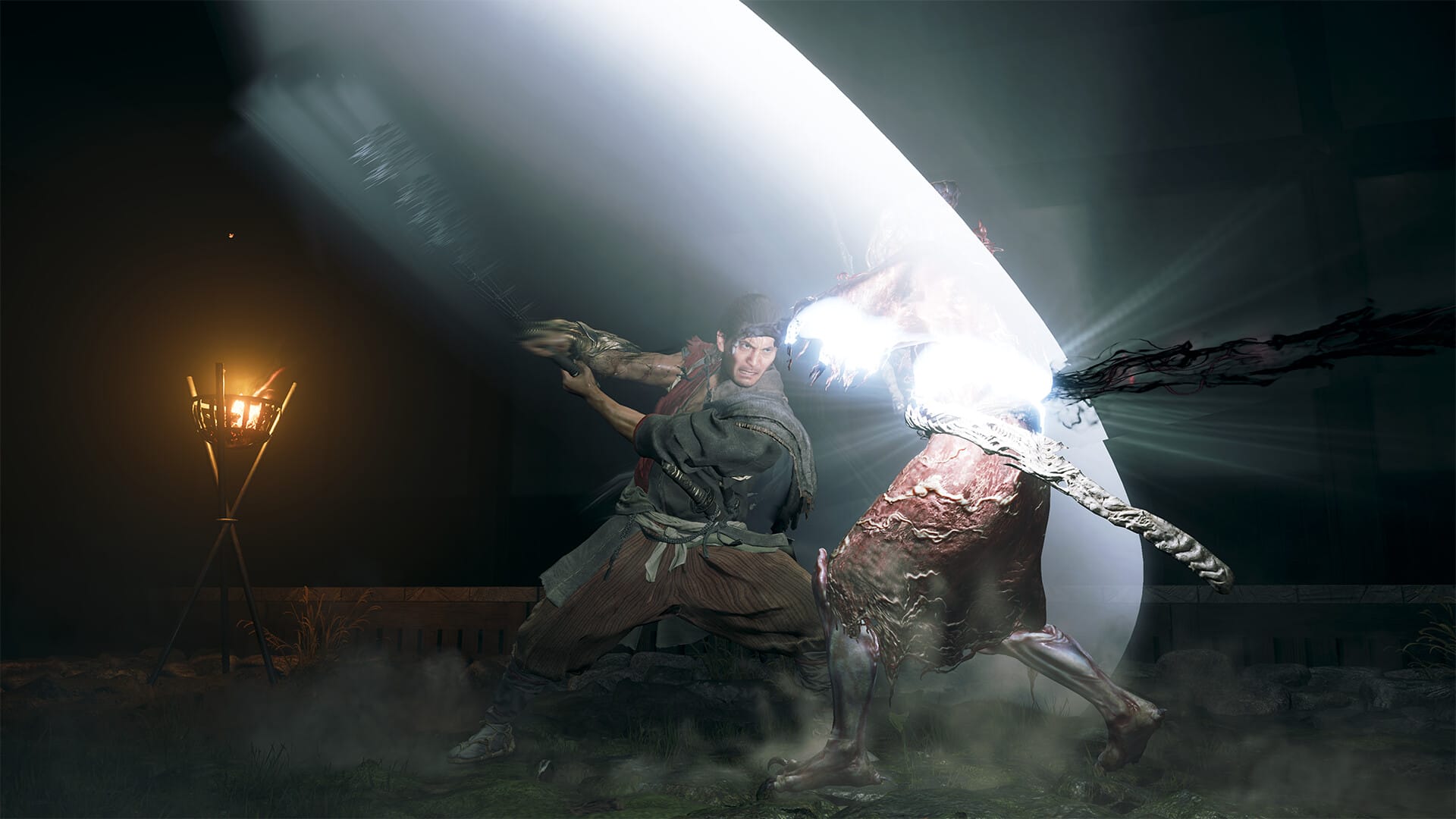
Table of Contents
Is Onimusha: Way of the Sword combat hard to learn?
It is precise, not punishing. The core mechanics take around two to three hours to absorb intuitively, after which the depth feels deeply rewarding. The single most important concept to internalize early is the defensive triangle: Parry stops weapon attacks, Deflect breaks enemy stamina, and Reflex Dodge handles unarmed strikes. Once those three inputs become automatic, everything else builds naturally from them.
The Defensive Triangle: Parry, Deflect, and Reflex Dodge
Holding block is not the solution to anything in this game. A held block drains your stamina steadily and leaves you open to guard-break attacks from armored Genma. The combat system expects you to use three distinct defensive responses rather than a single universal block, and choosing the wrong one against the wrong attack type costs you dearly.
- Parry (Timed Block): Press the block button at the precise moment a weapon-based attack connects. A successful parry interrupts the enemy’s combo chain, staggers them briefly, and opens a counter window. Landing parries also contributes toward entering the Blazing State, a temporary power mode that significantly boosts your damage output.
- Deflect (Block + Interact simultaneously): Deflect is your posture-breaking tool. A successful Deflect deals heavy stamina damage to the enemy rather than stopping their attack outright. Use it against slower, heavily armored Genma whose attack speed makes standard parry timing risky. Chaining Deflects causes an enemy stamina collapse, opening a full punish sequence.
- Reflex Dodge (Timed Sidestep): Correctly timed against unarmed attacks like punches, kicks, and grab attempts, a Reflex Dodge repositions you behind the attacker and builds your Reflex Combo Gauge. Unarmed attacks cannot be parried cleanly, so trying to parry a grab results in a failed guard and incoming damage.
The golden rule for reading enemy telegraphs: watch their arm and weapon position during the attack windup. A drawn weapon means parry. An extended open hand or full body lunge means Reflex Dodge. A heavy two-handed overhead weapon swing from an armored unit means Deflect.
Issen, Break Issen, and Chain Issen: Your Hardest-Hitting Tools
The Issen system is what separates average players from those who clear encounter rooms with cinematic efficiency. There are three variants, each with a distinct trigger condition:
Standard Issen: Attack at the exact frame an enemy strike lands on your position. When timed correctly, Musashi executes a single devastating counter-slash that deals critical damage and interrupts the enemy’s following attack. If you are missing Issen attempts, the most common mistake is triggering the attack too early. Let the enemy’s animation fully commit to the forward swing before you counter.
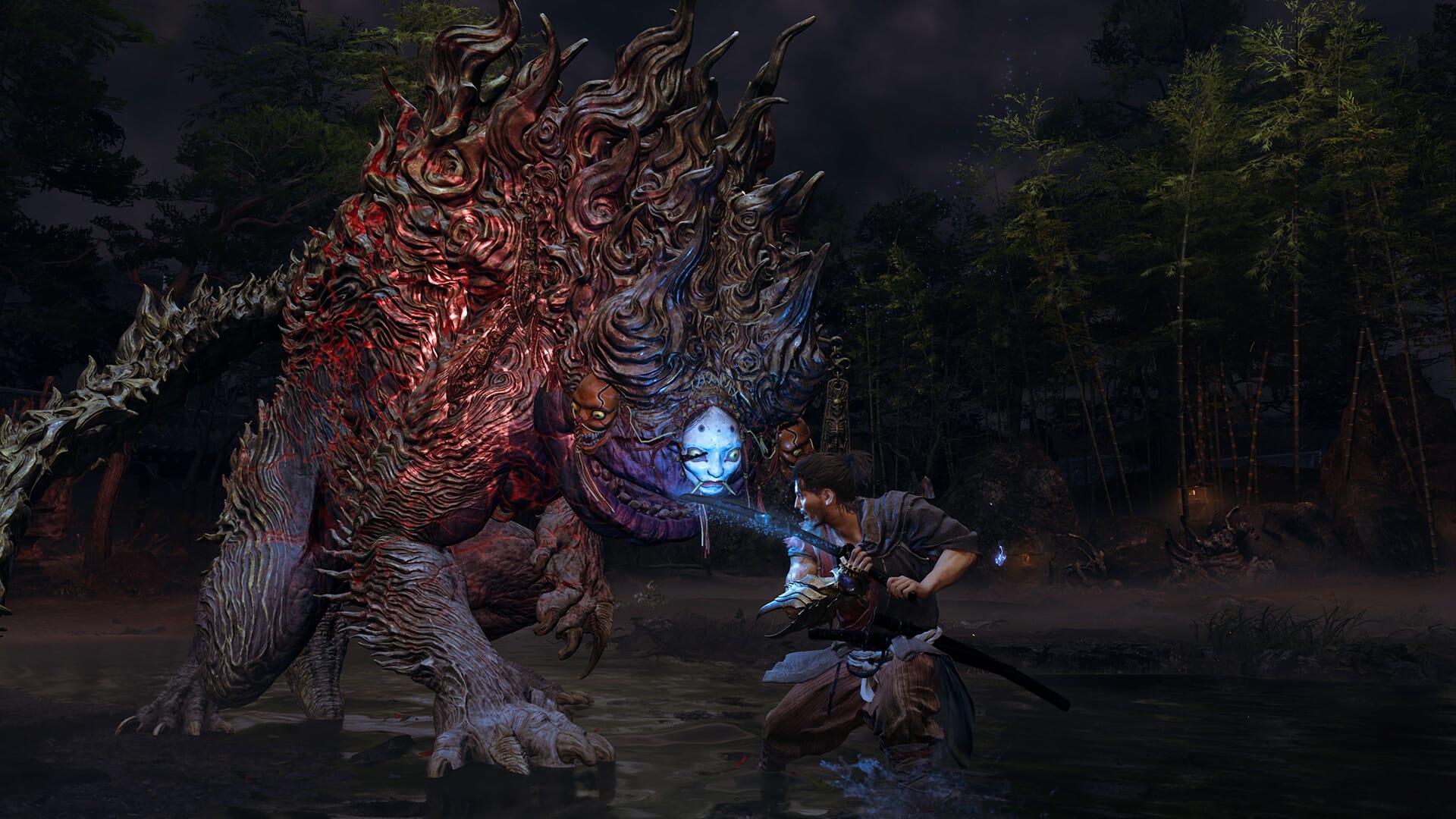
Break Issen: A Break Issen targets an already-staggered or stamina-depleted enemy. After a successful Parry or Deflect sequence creates an opening, input a charged heavy attack at the correct prompt to trigger a Break Issen. These deal massive posture damage to bosses and instantly eliminate standard Genma.
Chain Issen: After landing any Issen strike, the next nearest enemy in your attack arc is highlighted briefly. If you time another attack input within that window, you chain directly into a second Issen on the highlighted target. Chain Issen sequences are the fastest way to clear groups of enemies and keep your Blazing State active across multi-target brawls.
The Oni Gauntlet: Soul Types, Upgrade Priority, and Economy
The Oni Gauntlet is always active. Every Genma killed releases souls that float briefly in place before dissipating. Absorbing those souls is essential for both your build progression and your in-combat survival:
- Red Souls: The primary upgrade currency. Red Souls purchase new sword abilities, passive combat skills, and Oni Armament charges at Yorimasa’s shrine.
- Yellow Souls: Direct health restoration. Absorb these immediately whenever they appear, especially during boss encounters. Enemies can physically touch floating souls and consume them, denying your healing.
- Blue Souls: Fuel for Oni Armaments, which are temporary enhanced weapons that bypass standard enemy armor ratings. Reserve your Blue Soul pool for boss phase transitions rather than burning them on street encounters.
Upgrade Priority for New Players
- Soul Absorption Speed and Radius (Gauntlet Tree): Doubles the vacuum radius and lets you absorb souls mid-combo.
- Move While Absorbing (Gauntlet Tree): Keeps you mobile so you do not get caught standing still during tense boss fights.
- Parry Window Extension (Sword Skill Tree): Adds generous frame tolerance to your weapon parries.
- Issen Damage Multiplier (Sword Skill Tree): Boosts critical counter-attack damage.
- Raw Weapon Damage Upgrades: Invest here once your foundational defensive toolkit and soul economy are fully stable.
Genma Types and How to Counter Them
The Genma are divided into distinct behavioral families that demand different tactical responses. Using the Oni Vision ability (L2+R2) when entering new areas reveals behavioral notes for each class:
- Karasu-Type (Aerial Genma): Crow-hybrid enemies that attack with diving aerial strikes. Pure parry attempts often fail due to changing collision angles. Use the Oni Bow to ground them with one or two shots, then close in with melee combos.
- Oni-Ogre Type (Armored Heavy Genma): Slow-moving, heavily armored, and capable of guard-breaking held blocks in two strikes. Chain two or three Deflects to force a stamina collapse, then finish them with a Break Issen.
- Phantom-Type (Incorporeal Genma): Immune to standard steel strikes until hit by an Oni Armament or charged Blue Soul burst from the Gauntlet. Always save Blue Soul reserves for Phantom-heavy corridors.
- Shadow-Type (Mimic Genma): Mimics your own attack patterns. Use Deflect rather than Parry against them, as their mimicry anticipates standard sword parry rhythms.
Boss Strategy: The Three-Step Framework

Every major boss in Onimusha: Way of the Sword follows a deliberate, rhythmic pattern. Approaching them with this three-step structure keeps encounters manageable:
- Observe in Phase One: Focus purely on dodges and Deflects during the opening minutes. Learn which animation precedes each major swing before risking an Issen counter under pressure.
- Watch for the Phase-Transition Telegraph: Every boss has a unique animation pause or audio cue signaling a phase change. When you see that pause, stop attacking and immediately reset your defensive spacing.
- Unleash Oni Armament on Posture Break: Save your Blue Soul Oni Armament charges for the moment you break the boss’s guard or trigger a stamina collapse. Using Armament against a stunned boss multiplies your damage window substantially.
Five Beginner Mistakes to Avoid in the First Five Hours
- Holding Block Against Guard-Breakers: Any Genma with a glowing fist icon above their windup will shatter your guard in a single hit. Switch immediately to Reflex Dodge.
- Spending Red Souls on Weapon Damage First: Raw attack power is useless if your soul absorption range is too small to keep you alive. Gauntlet passives come first.
- Ignoring the Bestiary: Every Genma Note collected unlocks weaknesses and attack timings. Check the menu whenever you encounter a new enemy type.
- Skipping the Training Grounds Dummy: Yorimasa’s shrine features an adjustable practice dummy. Spending five minutes practicing your Issen timing here saves hours of frustrating restarts.
- Treating the Oni Bow as an Emergency Weapon: Use the Bow proactively to interrupt telegraphed boss charge-ups and ground aerial enemies before they strike.
Frequently Asked Questions
What difficulty should I choose for the best experience?
Standard difficulty offers the intended balance of challenge and reward, giving parries and Issen counters real weight. Casual mode widens timing windows if you want to focus on story, while Oni mode removes visual HUD aids for hardcore players.
Do I lose Red Souls when I die?
No. Accumulated Red Souls remain safe upon death, and you restart at the last shrine checkpoint. However, Blue Souls spent on active Oni Armaments are consumed.
Is there a posture bar like Sekiro?
Musashi does not have a visible posture bar, but enemies have an internal stamina meter. Chaining Deflects depletes their stamina until they collapse, allowing you to trigger a Break Issen.
Do Oni Gauntlet upgrades carry over to New Game Plus?
Yes. All Gauntlet skills, sword techniques, and collected Oni Stones carry into New Game Plus, where enemy stats scale up accordingly.
Verdict
The combat in Onimusha: Way of the Sword is one of the most skill-expressive systems Capcom has released in years. Once the rhythm of parries, Issen counters, and Gauntlet soul management clicks into place, every fight becomes an exciting display of martial precision rather than a test of button endurance.
For our complete verdict on story, graphics, and gameplay length, check out our full Onimusha: Way of the Sword PC review. To ensure your PC runs at a locked 60 or 120 FPS without stuttering, read our companion Onimusha PC settings guide.
Sources: Official Onimusha: Way of the Sword on Steam and Capcom combat patch notes, September 2026.

Allen Wade is a Senior PC Hardware & Performance Analyst at PerfCore with over 8 years of experience benchmarking CPUs, GPUs, gaming laptops, and system architectures. He specializes in 1080p and 1440p frametime analysis, thermal dynamics, and budget component optimization. Allen’s hardware testing methodology relies on standardized test benches, repeatable CapFrameX frametime captures, and clean OS environments.