

MU: Dark Epoch beginner guide: everything you need to know before you start
New to MU: Dark Epoch? This beginner guide covers the best starting class, your first hour on PC, AFK leveling tips, gold farming, and how to reach your first class change fast.

MU: Dark Epoch launched on Steam in October 2025 and pulls in a steady stream of new players every week. Most of them quit within the first few days. Not because the game is bad, but because it throws a lot at you at once and doesn’t explain any of it particularly well.
This guide exists to fix that. Whether you’ve never touched a game in the MU series or you played MU Online back in the 2000s and want to know what’s changed, these are the things that will actually make a difference in your first week.
Pick your class carefully, you’ll live with this choice for a while
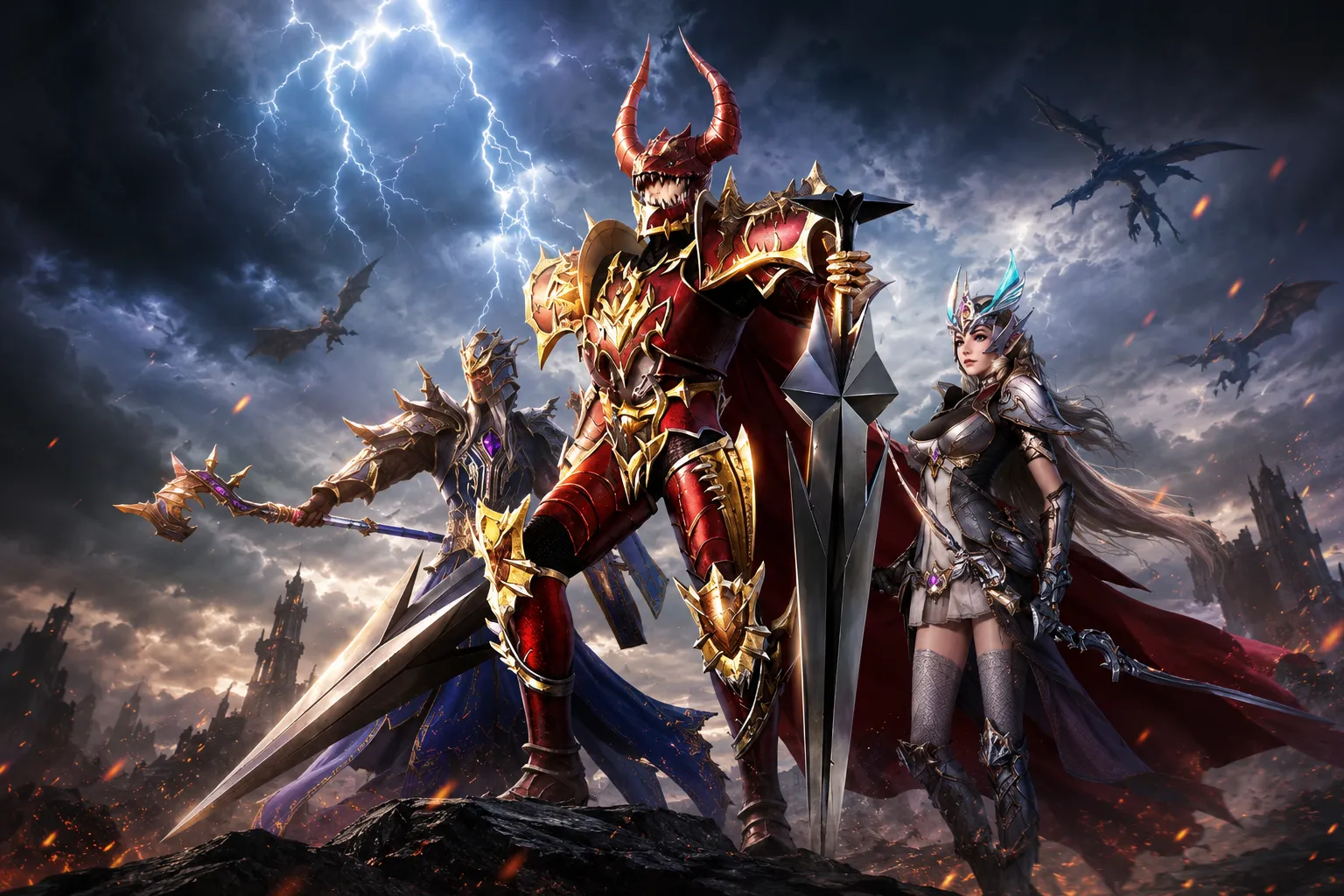
MU: Dark Epoch launches you into character creation with several class options, and the choice matters more than most MMORPGs admit. Each class plays differently enough that starting over after 10 hours isn’t unusual for players who picked the wrong one.

Here’s a plain summary of each:
Dark Knight (Warrior): The straightforward pick for new players. High durability, simple rotation, good at both solo grinding and group content. You’re never going to top damage charts, but you’re never going to feel useless either. If you want to learn the game without also learning a complex kit, start here.
Dark Wizard (Mage): High damage, low survivability, steep learning curve. The mage class is genuinely powerful once you understand it, but the early levels punish positioning mistakes badly. Recommended for players who’ve played MMORPGs before and know how to manage aggro.
Fairy Elf (Archer): A mobile class built around kiting enemies and maintaining distance. The bow attacks feel satisfying and the AFK leveling works particularly well with this class since it naturally stays at range. Good choice if you plan to play casually and let the auto-combat do most of the work.
Magic Gladiator and Dark Lord unlock at higher levels. Don’t worry about them yet.
The class change system means you’ll unlock advanced versions of your chosen class at specific level milestones. A Dark Knight branches into a Blade Knight or Soul Master depending on the path you choose. These branch points are where character identity really takes shape, and they’re explained more in the MU: Dark Epoch class guide on this site.
Your first hour, what to actually do
The opening area exists to teach you the auto-combat system. Let it. Don’t try to play the game manually for the first 30 minutes. Watch what happens. Understand how skills fire, how healing works, and what happens when your character dies and respawns.
Once you’ve completed the starter quests (there are around 8 of them), you’ll have enough experience to reach level 15 and unlock the first dungeon. Do the dungeon. The rewards are genuinely good at this stage and the dungeon teaches you how group coordination works in a low-pressure environment.
By the end of your first session you should have:
How AFK leveling works and when to use it
The AFK system lets your character fight automatically, collect loot, and accumulate experience points without you needing to do anything. You can leave the game running and return to a character that’s made real progress.
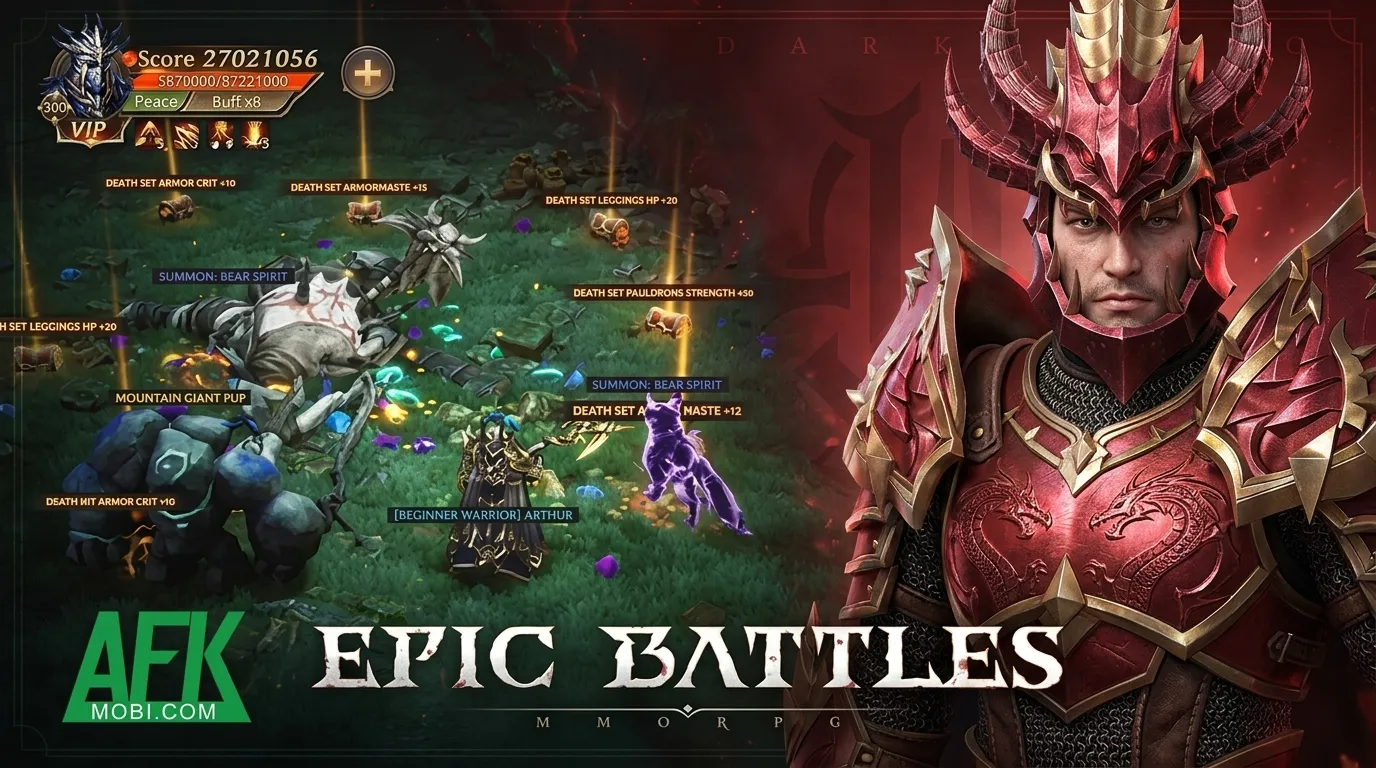
This is useful. Don’t feel bad about using it. Most of the player base does.
The caveats:
Set up your character near a group of same-level monsters, enable auto-combat, and let it run while you do other things. The system works best between levels 20 and 90 when grinding speed matters most.
Gold and currency, don’t waste either
MU: Dark Epoch has two main currencies: Zen (the basic gold you earn from enemies and quests) and a premium currency available through the shop. You’ll earn Zen quickly and spend it just as fast if you’re not paying attention.
Early game priorities for Zen:
1. Potions. Always keep at least 200 in your inventory.
2. Equipment repairs. Higher-level gear degrades and needs repairing.
3. Auction house purchases. At level 40, check the auction house for gear upgrades rather than relying on drops.
Do not spend early Zen on cosmetics or gamble it on enhancement rolls past +6 until you’re established. Enhancement failure rates above +7 are brutal and will eat your entire pouch if you push your luck.
The auction house is actually one of the better systems in the game. It supports real player-to-player trading, which means a genuine economy exists. Learn early what gear sells for so you can identify when you’ve picked up something worth listing.
Guild, join one sooner than feels comfortable
Guilds aren’t just social features in MU: Dark Epoch. They affect what endgame content you can access, what territory battles you can participate in, and how quickly you progress after level 100.
The guild wars over Roland City give late-game play most of its purpose. Without a guild, you’re locked out of that content entirely.
Join a mid-sized active guild between levels 30 and 50. Don’t wait until you feel “ready.” You’ll get help with dungeons, get access to guild-exclusive buffs, and start building the relationships that make the late-game feel like it means something.
Look for guilds that:
Reaching your first class change
Your first class change happens at level 150. That sounds far, but it moves faster than you expect with AFK leveling supplementing your manual sessions.
Before you hit 150, make sure you have:
The class change itself requires completing a specific quest chain that most players miss entirely. It doesn’t trigger automatically. Open your quest log at level 145 and look for the advancement questline. Do it before you hit 150 or you’ll waste levels.
After the class change, your available skills expand significantly. Spend time relearning your rotation. The playstyle changes enough that what worked before may not be optimal anymore.
A few things the game doesn’t tell you
Final word
MU: Dark Epoch is a game that rewards patience and punishes impatience. The AFK system exists precisely so you don’t have to be there for every level. Use it. Focus your active time on dungeons, guild events, and the auction house.
The first week is the hardest. After that, the systems start making sense and the game becomes genuinely enjoyable for what it is.
For a full honest take on whether the game is worth playing at all, read the MU: Dark Epoch review, it covers the pay-to-win mechanics, PvP issues, and Steam rating in detail.
Frequently Asked Questions
Is MU: Dark Epoch free to play?
Yes. It’s free to download and play on Steam. There is a cash shop with cosmetics and boosts, and pay-to-win mechanics exist in the enhancement system, but the core game is playable without spending anything.
What’s the best class for beginners in MU: Dark Epoch?
The Dark Knight (Warrior) is the most forgiving starting class. It has high survivability and a simple rotation, making it easier to learn the game’s systems without also managing a complex kit.
How long does it take to reach level 150 in MU: Dark Epoch?
With regular AFK leveling sessions and active play on weekends, most players reach 150 within two to three weeks of starting.
Can you play MU: Dark Epoch without a guild?
You can complete most content solo up to level 100. After that, guild membership becomes increasingly important for territory battles, high-level dungeons, and server events.
Is MU: Dark Epoch pay-to-win?
Partially. The enhancement system offers advantages to paying players, particularly at high levels. The game is not impossible without spending money, but competitive PvP at the top level does favor players who pay.

Allen Wade is a Senior PC Hardware & Performance Analyst at PerfCore with over 8 years of experience benchmarking CPUs, GPUs, gaming laptops, and system architectures. He specializes in 1080p and 1440p frametime analysis, thermal dynamics, and budget component optimization. Allen’s hardware testing methodology relies on standardized test benches, repeatable CapFrameX frametime captures, and clean OS environments.